On Friday, the Omaha City Council approved amendments to the city’s plumbing code that would expand the use of plastic piping in residential and commercial construction. The change is being promoted as a way to reduce building costs and streamline maintenance for developers focused on expanding affordable housing in the urban core.
Supporters highlight cost savings and durability
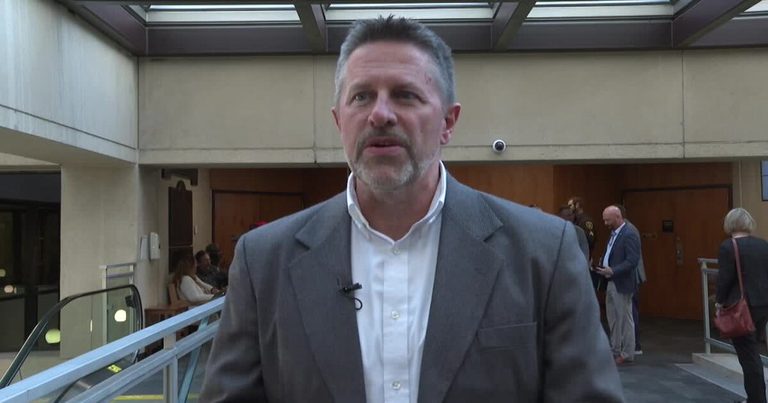
Local contractors and developers who favor the amendment argue that plastic pipe—particularly PVC and CPVC—offers a cheaper alternative to traditional cast‑iron systems. “We see a lot fewer maintenance calls with plastic; 80% of our business is taking cast iron out and replacing it with plastic,” said one supporter who asked to remain unnamed. Another supporter added, “Plastic is cheaper, lasts longer, and stays cleaner,” emphasizing the potential for long‑term savings for both builders and homeowners.
Opponents raise fire‑safety concerns
Critics, including some fire‑safety experts, cautioned that plastic materials behave differently in a blaze. “Cast iron is non‑combustible and does not burn in a fire like that; it is not going to melt away and contribute to the fire, whereas PVC does burn, does melt, adds fuel to the fire, and releases toxic chemicals or fumes into the atmosphere,” an opponent explained.
Council leadership seeks a middle ground
Council President Danny Begley acknowledged the need for more affordable housing but stressed the importance of safety and proper training for plumbers. “I am not saying we have to take out plastic, but we should implement it in a year, get the training, and set appropriate ratios for the plumbers,” Begley said. He framed the amendment as a compromise, noting that the city must balance cost reductions with public safety. “Maybe it’s the developers saving on the cost of materials and not constituents,” he added, questioning who will ultimately benefit from the lower construction expenses.
Implementation and next steps
With the code changes now official, the city will work with the Building Department to develop training programs for licensed plumbers and to establish compliance timelines. The council will also monitor the impact of the new standards on construction costs and fire‑safety outcomes, ensuring that any savings are passed on to homeowners rather than remaining solely with developers.
Stakeholders on both sides of the debate plan to continue discussions at upcoming council meetings, where the practical rollout of the new plumbing standards will be reviewed.
Original reporting: KMTV 3 News Now (Scripps) – local — read the source article.