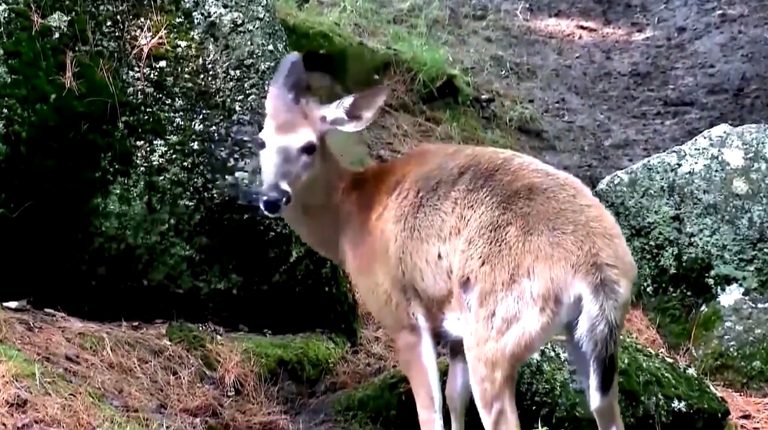
Oklahoma Department of Wildlife Conservation (ODWC) announced that a white‑tailed deer discovered dead in the Oklahoma Panhandle tested positive for chronic wasting disease (CWD). The animal was located just west of State Highway 136 in northern Texas County, and its emaciated condition prompted a game warden to retrieve the carcass for testing.
What the disease means for Oklahoma wildlife
Chronic wasting disease is a fatal neurological illness that affects deer, elk, moose and other members of the cervid family. The disease creates sponge‑like holes in the brain, leading to severe weight loss, loss of coordination and eventual death. While CWD is always fatal to the animals it infects, ODWC officials note that transmission to humans or livestock has never been documented.
Response plan and expanded surveillance
In response to the new case, ODWC will activate a targeted response plan aimed at protecting the deer population and minimizing the spread of the disease. The agency has expanded the existing Selective Surveillance Area (SSA) northwestward, adding a new zone within ten miles of the discovery site. Three additional SSAs have already been established in Cimarron, McCurtain, and Woodward‑Major‑Woods counties to monitor high‑risk areas outside the current surveillance boundaries.
“We will be working through our response plan, and our ultimate goal is to ensure healthy and well‑managed deer with as little impact to either the resource or our constituents as possible,” said Joey McAllister, wildlife programs supervisor with ODWC.
How hunters can help
ODWC encourages deer and elk hunters to participate in voluntary testing of harvested game. By submitting samples, hunters provide valuable data that helps officials track the disease’s spread and evaluate the effectiveness of mitigation measures. The department will continue to monitor for additional evidence of CWD throughout the state.
Historical context
This is the seventh confirmed case of chronic wasting disease in Oklahoma wild deer since June 2023. The disease was first detected in the state in 2022, prompting the creation of surveillance zones and public‑education campaigns. Continued vigilance remains essential to protect both wildlife and the hunting heritage that many Oklahoma families cherish.
What residents should know
While CWD poses no known risk to people, the disease can have significant ecological and economic impacts, particularly for communities that rely on hunting tourism. ODWC advises the public to avoid handling sick or dead wildlife and to report any unusual sightings to local wildlife officials.
For more information on chronic wasting disease, testing locations, and how to report sightings, visit the ODWC website or contact your nearest wildlife office.
Original reporting: Oklahoma City News Feed (HLL/CB) — read the source article.