Oklahoma Department of Agriculture, Food and Forestry announced that the U.S. Department of Agriculture’s Animal and Plant Health Inspection Service has confirmed a case of highly pathogenic avian influenza in a dairy herd within the state. While the discovery is being treated seriously, officials emphasized that the incident is isolated and poses no threat to the safety of pasteurized milk or other dairy products.
What officials are saying
“This is a reportable disease that we see from time to time and is not a cause for alarm,” the department said in a statement to KOCO 5. The agency added that the commercial milk supply remains safe because of federal animal‑health requirements and the mandatory pasteurization process.
Signs dairy producers should watch for
Farmers are being urged to remain vigilant for symptoms that could indicate the disease in their herds. The department listed several warning signs, including:
- A decline in feed intake
- A decrease in milk yield
- A drop in rumination
- Thicker, concentrated, colostrum‑like milk
- Dehydration
- Fever
If any of these signs appear, producers should contact the Oklahoma Department of Agriculture, Food and Forestry immediately at 405‑522‑6141.
Understanding highly pathogenic avian influenza
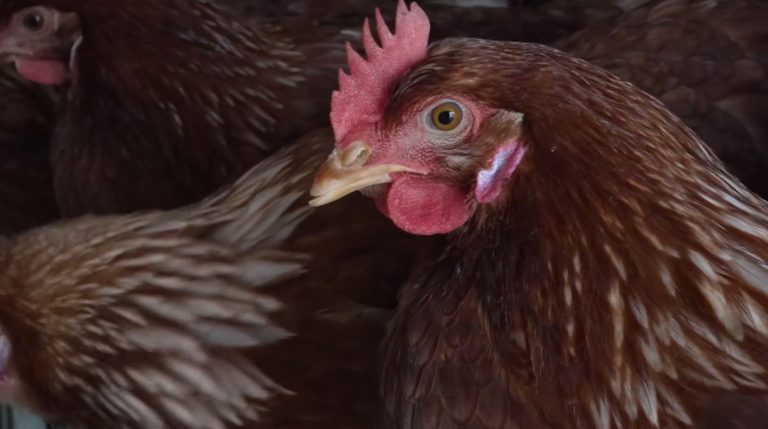
Avian influenza, commonly known as bird flu, is a contagious viral disease that affects both domestic and wild birds. The USDA notes that highly pathogenic strains can be deadly to poultry, wiping out entire flocks within days. Typical symptoms in birds include sudden death, loss of appetite, reduced egg production, swelling of the comb and wattles, and respiratory distress.
There is currently no treatment for highly pathogenic avian influenza. The USDA’s standard response is to depopulate affected and exposed poultry to halt the spread of the virus.
Impact on consumers
Health officials stress that the disease does not affect humans through the consumption of pasteurized dairy products. Pasteurization destroys any potential pathogens, and the federal animal‑health safeguards in place ensure that milk reaching grocery shelves is safe.
Consumers can continue to purchase and enjoy milk, cheese, yogurt, and other dairy items without concern. The department’s rapid response and transparent communication are intended to maintain public confidence in Oklahoma’s dairy industry.
Where to find more information
Additional details about disease alerts and reporting procedures are available on the Oklahoma Department of Agriculture, Food and Forestry website. The agency encourages all dairy producers to stay informed and to report any suspicious signs promptly.
Original reporting: Oklahoma City News Feed (HLL/CB) — read the source article.