The Oklahoma City Thunder’s playoff push has turned the city into a buzzing, blue-and-orange hurricane, with fans filling the Paycom Center, local bars overflowing, and talk of Shai Gilgeous-Alexander and Chet Holmgren on every corner. From downtown energy to neighborhood watch parties, players, coaches and the city itself are mixing into the kind of playoff story that makes summers feel shorter and nights a little louder in Oklahoma City. This piece tracks the mood, the team’s identity, the economic bump for local businesses, and the communal rituals that have become part of the Thunder playoff playbook.
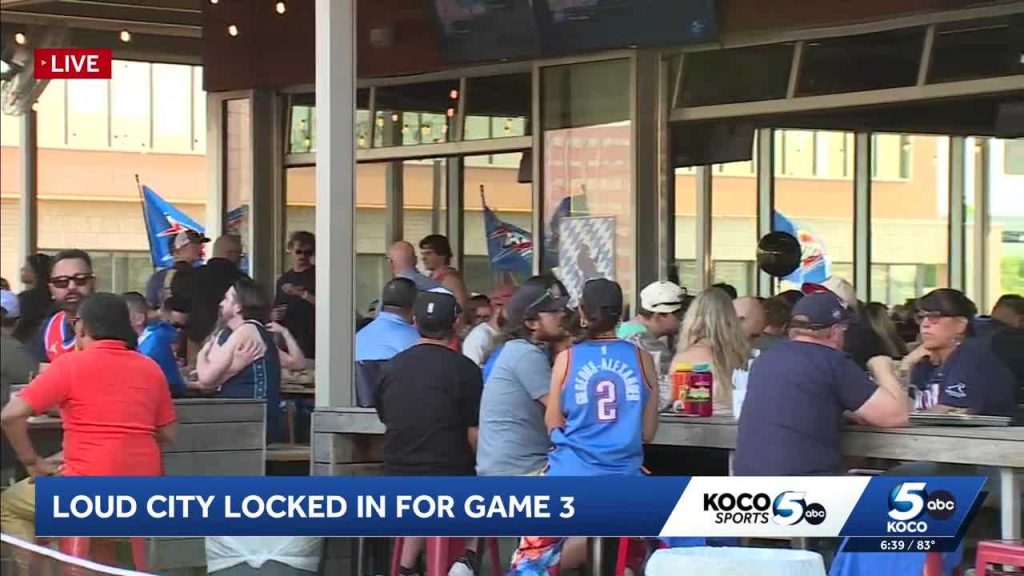
Game nights in Oklahoma City now follow a ritual that feels almost sacred, with tailgates, face paint and the steady hum of anticipation outside the Paycom Center. Lines form at local bars and food trucks hours before tipoff, and neighborhoods that never hosted gatherings now host block parties for fans to cheer the team on. It’s more than a single arena packed with people; it’s a city-wide event that pulls in families, students and longtime season-ticket holders alike.
On the court, the Thunder’s identity is clear: a mix of young talent and steady leadership with Shai Gilgeous-Alexander setting the tone and Chet Holmgren offering a new dimension on both ends of the floor. Jalen Williams and other emerging players have added depth and fearlessness, showing they can flip momentum with one sequence. Coach Mark Daigneault’s game plans and the team’s resilience are getting as much attention as highlight plays, and that balance has fans feeling confident heading deeper into the postseason.
Local businesses are feeling the playoff lift in real time, from hotels near downtown to restaurants along Walker and Classen. Game nights mean extra staff, fuller reservations and a cascade of customer energy that flows into the next morning. For owners, the playoffs are a brief but meaningful surge that helps reconcile tighter months earlier in the season and gives communities reasons to celebrate together.
The soundtrack of a Thunder playoff run is part soundtrack, part soundtrack for the city, with chants, drumming and familiar songs taking on new power after big plays. Children learn chants and mimic buzzer-beaters in playgrounds, while office pools and coworker bets add playful stakes to the workweek. That energy circulates beyond the arena and into daily life, turning routine errands into chances to trade predictions and relive the previous night’s clutch moments.
Media coverage and local personalities amplify the moment, turning the team’s story into watercooler talk and late-night debate fodder. Podcasts, radio shows and local columns are full of breakdowns, predictions and interviews that make sure everyone has a take. That coverage helps knit the fan base together and keeps conversations alive even on off days when the team is practicing and the city is waiting for the next tipoff.
Community outreach and charity initiatives also get a boost during playoff time, when visibility for the team grows and players have more chances to spotlight causes. Those appearances matter because the Thunder are not just a franchise; they’re part of the civic fabric and a visible reminder of what unites people here. Schools, youth programs and neighborhood groups often catch the ripple effects, from surprise visits to ticket giveaways that let more families join the celebration.
There are nerves, too, because playoffs are a pressure cooker and expectations change quickly when stakes rise. Fans trade optimism with realistic takes, and every win sharpens belief while every loss sparks debate about adjustments. That emotional seesaw is part of what makes playoff basketball addictive for Oklahoma City, where loyalty runs deep and patience has been rewarded with a team that keeps growing.
Logistics matter as the series progresses, with transportation, city services and match-day operations needing to keep pace with larger crowds and later nights. City officials, venue staff and private partners quietly coordinate to make sure the flurry of events happens smoothly, and those behind-the-scenes moves often decide whether fans leave smiling or stressed. When it all comes together, the city moves as a unit, and game nights become clean memories instead of logistical headaches.
For Oklahoma City, a Thunder playoff run is a vivid chapter in the city’s story, one that blends sports, commerce and community into a week-by-week narrative. The players provide the drama, but the fans deliver the atmosphere, turning ordinary blocks into zones of celebration and conversation. As long as the team keeps playing, the city will keep showing up, ready to turn each playoff night into a shared moment that echoes long after the final buzzer.