Oil prices continued their upward trajectory on Tuesday, driven by renewed fighting in the Iran‑U.S. conflict that has once again threatened the vital Strait of Hormuz. Brent crude rose 0.8% to $91.23 per barrel, while U.S. benchmark West Texas Intermediate was up 1% at $86.62.
The latest price jump follows a U.S. military strike on Iranian rocket launchers on an island in the Persian Gulf on Sunday. The United States warned that Iran was preparing to lay mines in the Strait of Hormuz, a chokepoint that handles roughly one‑fifth of the world’s oil shipments. Iran retaliated with missile launches toward U.S. facilities in Jordan, all of which were intercepted.
Market Reactions Across Asia
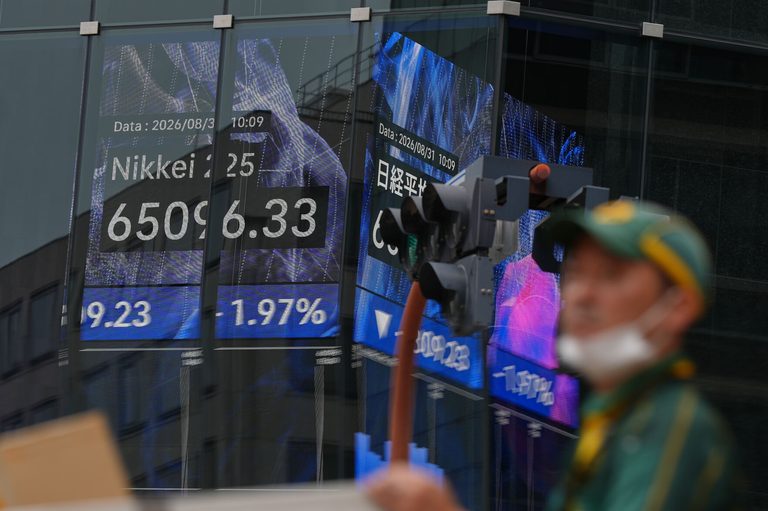
Asian equity markets reacted unevenly. Hong Kong’s Hang Seng index slipped 0.9% to 25,332.10, while the Shanghai Composite was essentially flat at 3,985.93. Japan’s Nikkei 225 edged higher by 0.2% to 66,420.26, and South Korea’s Kospi added 0.2% to reach 6,835.51. Australia’s S&P/ASX 200 fell 0.1% to 9,066.40, and Taiwan’s Taiex rose 0.2%.
In India, the Sensex gained 0.3%, and U.S. futures were modestly higher at 0.1%.
Energy Stocks and Inflation Concerns
Energy shares benefited from the price lift. Exxon Mobil rose 2.7% and Chevron gained 2.1%, reflecting investor optimism for higher profit margins. Conversely, utility stocks such as Edison International and PG&E suffered steep declines of 23.1% and 20.1% after reports of potential California wildfire legislation that could expose insurers to new lawsuits.
Higher oil prices are feeding already stubborn inflation, which remains well above the Federal Reserve’s 2% target. The rise in energy costs is squeezing household budgets and dampening consumer confidence, complicating the Fed’s path on interest‑rate policy.
Bond Market Moves
The yield on the two‑year Treasury held steady at 4.34%, up sharply from about 3.50% at the start of 2026. The 10‑year Treasury yield ticked higher to 4.75% from 4.73% on Friday, returning to levels seen when the Trump administration announced an unprecedented intervention in the bond market two weeks ago.
Higher rates could cool inflation but also risk slowing job growth. The U.S. will release August employment data later this week, after a July report showed an unexpected stall in hiring, with employers cutting 23,000 jobs and the Labor Department revising payroll figures for May and June downward by a combined 103,000.
Currency Shifts
The U.S. dollar strengthened against the Japanese yen, reaching 159.94 yen, while the euro slipped slightly to $1.1604.
Overall, the combination of geopolitical tension in the Middle East, rising energy prices, and a tight labor market continues to shape the economic outlook for American families, underscoring the importance of prudent fiscal stewardship and a strong national defense.
Original reporting: KTBS 3 (Shreveport) — read the source article.