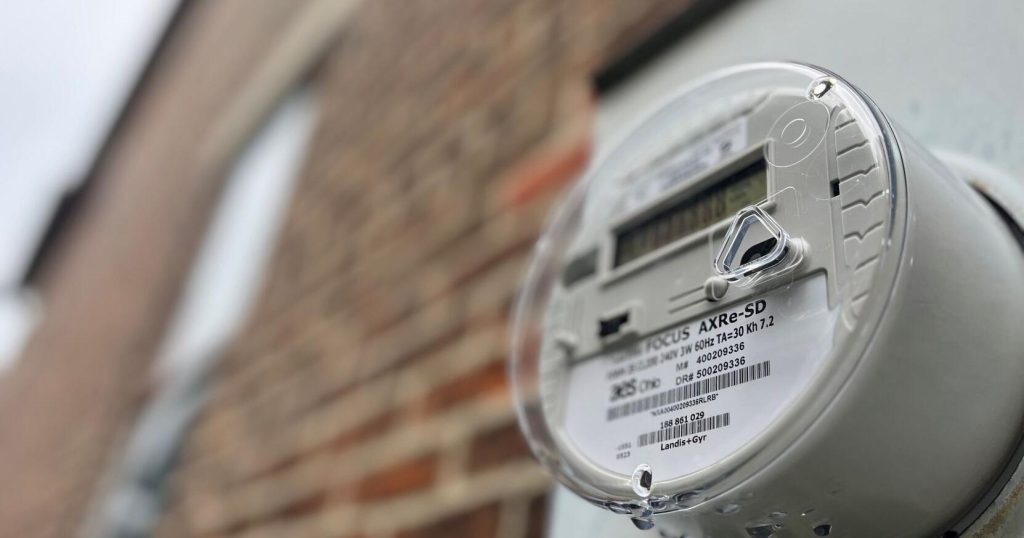
The Ohio Supreme Court has declared that companies that install and operate submeters for apartment buildings qualify as public utilities and must fall under the oversight of the Public Utilities Commission of Ohio. The ruling recognizes that these firms buy electricity and resell it to tenants, which pulls them into the same regulatory framework that governs traditional utilities. That shift promises new consumer protections and compliance obligations across Ohio’s rental housing market.
Submetering grew as a way for landlords and third-party vendors to divvy up electric bills within a single meter setup, letting tenants pay for their actual usage. For years the practice sat in a gray zone, with disputes over fairness, billing transparency, and accountability. The court’s decision clears up that uncertainty by saying these operators play the same market role as utilities when they purchase power and resell it to end users.
Under the Public Utilities Commission of Ohio, entities classified as utilities must file tariffs, submit to inspections, and follow rules about rates and billing. That means submetering firms will face a level of public scrutiny they haven’t had before. Tenants could see faster dispute resolution, clearer bills, and limits on hidden fees as a result.
For landlords and property managers who relied on submetering to allocate costs, this is going to be a moment of adjustment. Contracts with third-party vendors may need to be rewritten, and properties using those arrangements could see higher administrative burdens. Some owners might seek alternative billing setups or push back on added compliance costs.
Industry groups that supplied submetering services have argued they simply facilitate fair billing and do not deserve utility status, pointing to the administrative role they play rather than transmission and distribution. Consumer advocates, meanwhile, have pointed to cases where tenants were charged opaque rates or excessive service fees. The court’s decision sides with the idea that the function of buying and reselling electricity is the defining factor for regulation.
One practical fallout will be how rates are set and approved. When a business is a regulated utility, it can’t freely set market-driven prices without oversight; tariffs and rate structures must align with PUCO rules. That can curb surprise charges for renters, but it may also reduce flexibility for vendors and slower rollouts of certain billing models the industry has used.
The ruling also signals stronger enforcement tools for state regulators, including the ability to investigate complaints and levy penalties. Tenants who suspect unfair billing practices can bring complaints to PUCO, which now has clearer legal ground to act. That potential for enforcement could deter practices that produced disputes in the past.
Developers and property owners will need to check their current agreements and operational models against PUCO requirements and timelines. Some firms may choose to register as utilities and comply, while others might restructure arrangements to avoid resale scenarios. Either route will likely involve legal review, system upgrades, and new reporting obligations.
For Ohio’s rental market, the ruling could change operating costs and tenant expectations, especially in large multifamily complexes that relied heavily on submetering. The move toward regulated status may encourage more transparent billing technologies and clearer partnership contracts. Renters may benefit from greater visibility into how charges are calculated and from official recourse when problems arise.
Utility companies that serve Ohio neighborhoods might also watch this decision closely, since it clarifies competitive lines and regulatory responsibilities. Submetering vendors operate at the intersection of landlord services and energy sales, and the court’s stance brings them squarely onto the energy regulation map. That could shift relationships between distribution utilities, property operators, and third-party firms.
The long-term legal landscape could include appeals, new legislative responses, or administrative rulemakings at PUCO to clarify how the ruling applies in specific situations. Lawmakers and regulators may want to refine definitions and procedures to smooth implementation and avoid unintended consequences. In the meantime, affected businesses should prepare for a more regulated operating environment.
For tenants, regulators, and property owners across Ohio, the decision is a clear marker: reselling electricity to occupants carries regulatory weight. The Public Utilities Commission of Ohio now has a firmer hand to protect consumers and ensure that billing practices meet public standards. That’s likely to reshape how electricity billing looks inside many Ohio apartment buildings in the coming months.