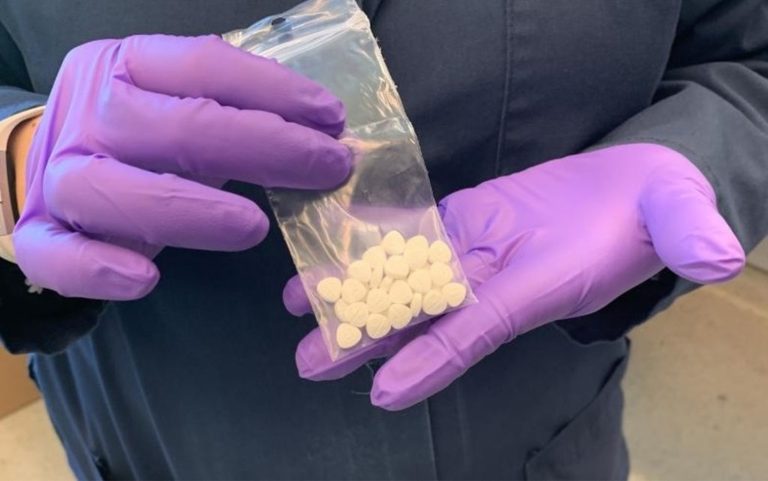
Ashley Delgado, a 29-year-old from Cleveland, Ohio, lost her life to a mix of substances, including protonitazene and metonitazene, powerful synthetic opioids from a little-known class of drugs known as nitazenes. Her death was ruled accidental, but it highlights the growing concern of nitazene overdoses in Ohio.
Nitazene Overdose Crisis in Ohio
Nitazenes are predominantly sold online and are often laced into other substances to increase their potency, putting unsuspecting users at risk of fatal overdoses. According to the US Drug Enforcement Agency (DEA), Ohio has reported the highest number of nitazene-related overdose deaths in the US since 2021.
Experts warn that nitazenes can be up to 40 times more potent than fentanyl and 500 times stronger than heroin. The DEA has scheduled dozens of nitazenes as illegal substances and launched undercover operations to curb their spread. However, despite these efforts, nitazenes continue to infiltrate US borders and destroy lives.
In Ohio, the counties of Scioto, Butler, and Cuyahoga have been particularly affected by the nitazene crisis, with Summit County having the second-highest number of nitazene-related reports in the state. The reasons behind Ohio’s high rate of nitazene overdoses are still not fully understood, but the state’s geography and infrastructure are suspected to be contributing factors.
The Ohio government has taken steps to address the crisis, including issuing emergency executive orders to add nine different nitazenes to a list of banned drugs and legalizing the use of tools to test for nitazenes. However, more needs to be done to combat the growing threat of nitazene overdoses in the state.
Original reporting: Signal Akron — read the source article.