Springfield, Ohio – On Wednesday, about 1,400 workers at the former Navistar truck plant in the Dayton‑area were told their jobs were ending. The layoffs came just three days before President Donald Trump’s scheduled rally at a nearby high school.
Local impact and personal stories
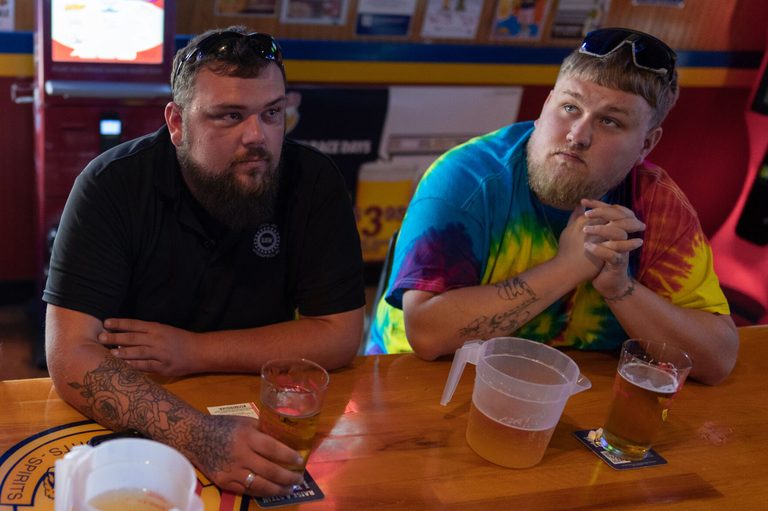
Among those affected is 30‑year‑old Kyle Bos, a father of two with a third child on the way. Bos said the rising cost of groceries – five items now cost as much as a full cart once did – and the loss of steady pay have forced him to consider canvassing for Democratic candidates before the November election.
“Something has to change politically in this country,” Bos, a United Auto Workers member who describes himself as a centrist, told reporters. He raised three tattooed fingers to indicate the number of times he has voted for President Trump, then added that he is “done with the president.”
Trump’s campaign message
President Trump is touring the Dayton area as part of what he calls a 32‑day marathon of rallies aimed at convincing voters that the economy is stronger than they perceive. Speaking at a truck plant in Texas, he said, “All over the country, they’re building factories, plants — manufacturing’s coming back. The only thing we’re doing badly at is public relations.”
The White House highlighted recent investments in Ohio, including an $850 million aircraft‑maker project and announcements from Honda and Stellantis, as evidence that the administration’s policies are fostering job growth.
Economic context
Federal data show the Dayton region has lost roughly half of its 90,000 factory jobs since 1990, a decline linked to trade agreements that shifted production abroad. While the Wright‑Patterson Air Force Base now employs about 38,000 people and has attracted aerospace firms such as Joby Aviation and Sierra Nevada Corporation, many former manufacturing workers still feel the effects of the transition.
Former plant owner International Motors sold the facility, and Canadian armored‑vehicle maker Roshel announced plans to acquire the site. Roshel said it is working to protect the current workforce and intends to more than double employment over the coming years through a phased process.
Political stakes
The layoffs are occurring amid a closely watched Senate race in Ohio, where Republican Sen. Jon Husted faces former Democratic Sen. Sherrod Brown. Both candidates are seeking to appeal to working‑class voters who are concerned about inflation, the ongoing conflict in Iran, and the cost of living.
State Rep. Andrea White, a Republican, noted that the state government has tried to ease inflation pressures by flattening the income tax and limiting property‑tax increases, arguing that “the concept is, put it back in the hands of the people who pay the taxes — so they have more of their own money.”
Worker perspectives
Marianne Donnelly, a forklift driver at the plant, said overtime opportunities have vanished, leaving many families struggling to make ends meet. She has cut back on subscriptions and streaming services to stretch her budget.
Despite the hardship, some laid‑off workers remain hopeful that Roshel’s acquisition will bring new jobs within six to twelve months.
Looking ahead
As the community grapples with job losses and an upcoming election, local leaders emphasize the need for patience and continued investment. Jeff Hoagland, CEO of the Dayton Development Coalition, said, “In economic development, it takes time, and you have got to give it a little bit of time to bake, and then once it does, then you’re going to have something special.”
Original reporting: KTBS 3 (Shreveport) — read the source article.