Odessa, Texas – In honor of National Breast Cancer Awareness Month, local nurse educator Paulette Williams used her own experience with breast cancer to urge women to schedule regular mammograms. Williams, who works at Medical Center Hospital, began annual screenings at age 40 in 2020 and was clear until COVID‑19 disruptions delayed appointments.
When restrictions eased in 2022, Williams finally received a routine mammogram. The next day she was called back with news of a suspicious finding. Further testing revealed two primary masses in her right breast and spread to an axillary lymph node. Her surgeon, Dr. Armstrong, diagnosed her with invasive ductal carcinoma, a form that is treatable when caught early.
Choosing Treatment and Facing Side Effects
Williams opted for a bilateral mastectomy, stating, “I wasn’t planning on fighting this more than once.” She underwent chemotherapy before surgery, which caused hair loss. “Wigs were uncomfortable, so I embraced my bald head as part of my story,” she said.
Radiation followed the surgery in June 2023, and by December she was declared cancer‑free. Williams now plans reconstructive surgery and encourages others to act quickly.
Community Support and Medical Team
Throughout treatment, Williams never missed a shift, thanks to the encouragement of coworkers who created pink T‑shirts and visited her during her final chemotherapy session. “These people are my family,” she noted, adding that her husband and two children live in West Texas while the rest of her family remains in Jamaica.
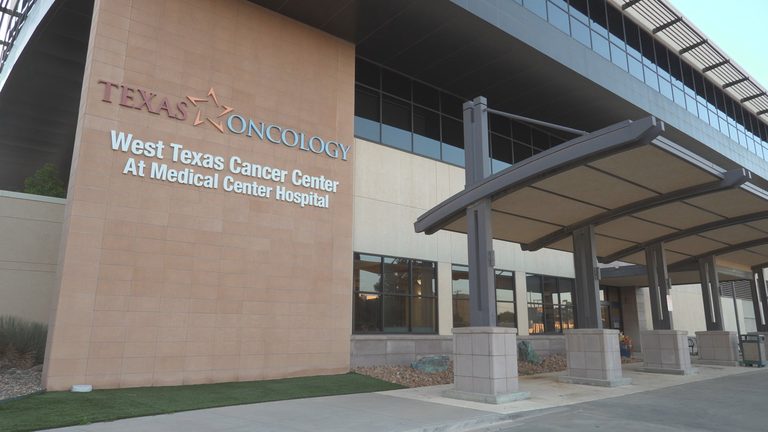
Williams praised the care she received from Dr. Armstrong and Dr. Pankaj Khandelwal, a veteran oncologist at Texas Oncology’s West Texas Cancer Center. Dr. Khandelwal highlighted the importance of a strong doctor‑patient relationship, saying it allows physicians to see patients as people, not just disease, and to tailor treatments accordingly.
He also noted that many clinical trials conducted at the center have led to FDA‑approved therapies now considered standard care nationwide. “Early detection is the most important factor for curability,” Dr. Khandelwal said. “Ninety‑nine percent of early‑detected breast cancers are easily curable.”
Message for the Community
Williams urges women to know who they are fighting for and to prioritize early screening. “Know who it is you’re fighting this battle for and know that you have to win this battle,” she said.
She reminds residents that Texas Oncology provides comprehensive cancer care locally, eliminating the need for long travel. The story underscores how faith, family, and a supportive community can help patients persevere through difficult health challenges.
Original reporting: CBS7 / First Alert 7 KOSA (Gray) — read the source article.