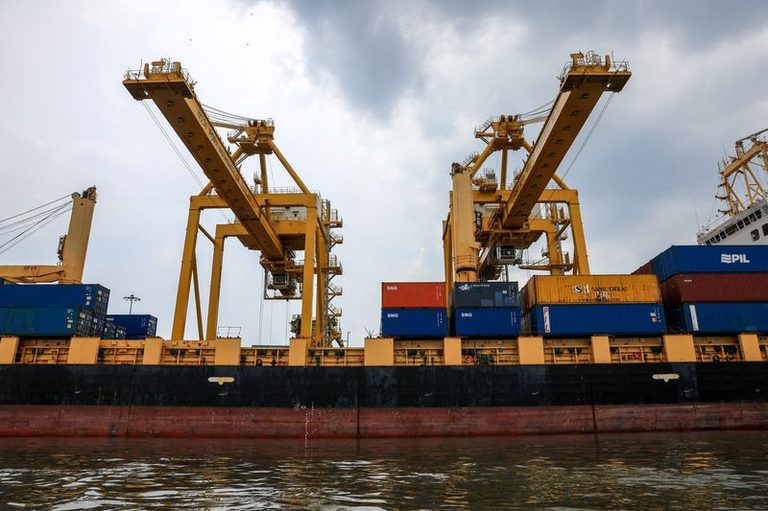


National freight shippers are watching a sharp rise in ocean container rates as the ongoing conflict involving Iran, the United States and Israel pushes fuel costs upward. The off‑contract spot price for moving a 40‑foot container from Shanghai to New York has climbed back to levels seen after the COVID‑19 disruption, reaching $10,948, according to freight‑pricing platform Xeneta.
Rates approach pre‑pandemic highs
Peter Sand, chief analyst at Xeneta, noted that the current rate is “just short of the all‑time high set during the COVID‑19 disruption,” when the route peaked at $11,900 in January 2022. The Shanghai‑to‑New York lane is among the busiest and most profitable for major carriers such as MSC, Maersk, COSCO and CMA CGM.
Fuel price spike fuels the surge
Crude oil prices have surged after hostilities intensified in the Strait of Hormuz, where U.S. and Iranian forces have attacked and sunk oil tankers, and after Saudi Arabia temporarily shut its East‑West pipeline following aerial attacks. Those developments lifted the global 20‑port average price for low‑sulphur bunker fuel to $901.50 per metric ton on Thursday, up from $543.50 on February 27, though still below the March 20 peak of $1,053, according to Ship & Bunker.
Container owners typically pass higher fuel costs on to shippers through surcharges and other pricing tools. “With bunker prices pushing fuel surcharges higher, surpassing the pandemic peak cannot be ruled out,” Sand said, suggesting a new record could emerge this month.
Golden Week adds pressure
Sand also pointed to the upcoming Golden Week holiday in China, when manufacturers shut down for a mandatory break in early October. Shippers such as Walmart and Amazon.com are accelerating shipments to stock up before the shutdown, a pattern that historically spikes demand and rates.
Week‑over‑week, the Drewry World Container Index (WCI) reported a nearly 7% jump to $10,394 per 40‑foot container for the same route. Drewry expects the Golden Week surge to push rates even higher.
Methodology notes
Both Xeneta and Drewry use distinct methodologies to calculate spot rates, which can apply to roughly half of cargo on the water at any given time. Drewry’s WCI recorded a pandemic‑era peak of $16,000 for the Shanghai‑to‑New York spot rate when U.S. consumers were spending stimulus money on home goods.
Industry observers say the current environment underscores the vulnerability of global supply chains to geopolitical shocks and fuel price volatility. While higher rates increase costs for importers and ultimately consumers, they also signal robust demand for U.S. goods and a resilient shipping market.
Original reporting: Appleton, WI News Feed (HLL/CB) — read the source article.