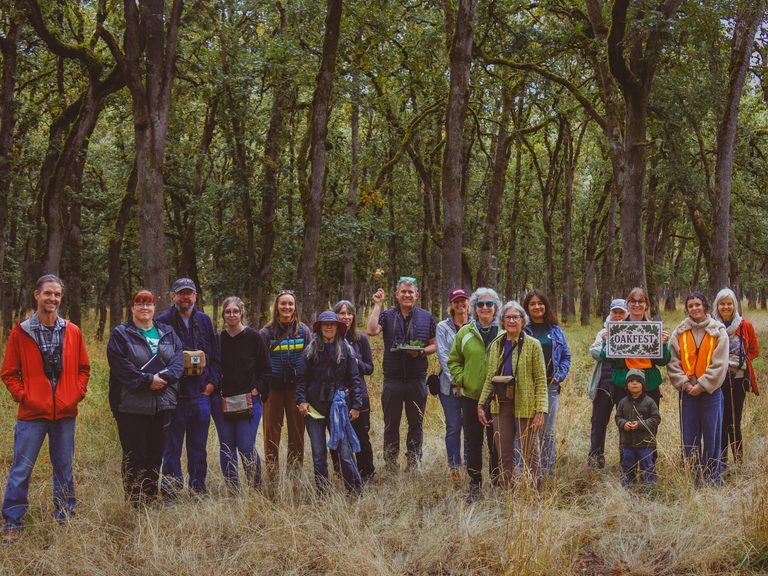
Salem marked the fifth anniversary of OakFest this weekend, a community celebration that shines a light on the city’s natural heritage. The festival, organized by Growing Oaks—a student‑led coalition at Willamette University—features talks, guided walks, and family‑friendly activities that explore the history and future of the oak savanna that once covered much of the Willamette Valley.
Remembering a vanished landscape
“There was sprawling grassland, savanna landscapes that were stewarded through the use of fire,” said Rose Grimson, president of Growing Oaks, during the opening remarks. Grimson explained that European settlers arrived in the valley around 1840 and rapidly altered the ecosystem, converting the open oak savanna into farmland and urban development. Today, only scattered pockets of the original oak‑grassland remain, making preservation efforts more urgent than ever.
Festival highlights
OakFest offered a range of educational and recreational events. Local historians presented short talks on the ecological importance of oak savannas, while naturalists led guided hikes through the remaining oak groves in the city’s parks. Children participated in a “seed‑planting” activity, receiving native oak seedlings to take home and plant in their own yards, reinforcing the festival’s message of personal stewardship.
Artisans displayed works inspired by the oak landscape, and a local food vendor offered dishes featuring oak‑smoked ingredients, tying culinary tradition to the region’s natural roots. The festival also featured a panel discussion with city planners, university researchers, and representatives from the Oregon Department of Forestry, who outlined ongoing projects to protect and restore oak habitats across the valley.
Community support and future plans
Mayor Anna Bowers praised the event, noting that OakFest aligns with Salem’s broader goals of environmental education and community engagement. “Our city thrives when we honor the gifts of God’s creation and teach our families to be good caretakers of the land,” she said. The mayor’s office announced a modest increase in funding for the city’s urban forestry program, which will prioritize planting native oaks in public spaces.
Growing Oaks plans to expand OakFest next year, adding more interactive workshops and partnering with neighboring towns to create a regional network of oak‑savanna preservation initiatives. The coalition hopes that by celebrating the city’s natural history, residents will feel a stronger connection to the land and be motivated to support conservation policies at the local and state level.
Why oak savannas matter
Oak savannas are not only beautiful; they provide critical habitat for a variety of wildlife, improve air quality, and help mitigate flood risk by absorbing rainwater. Restoring these ecosystems also supports the agricultural heritage of the Willamette Valley, as healthy soils and diverse plant life contribute to sustainable farming practices.
As Salem continues to grow, OakFest serves as a reminder that development and environmental stewardship can go hand in hand. By educating families, encouraging volunteer action, and fostering collaboration among civic leaders, the festival embodies the community‑first spirit that defines the HyperLocal Loop’s coverage.
Original reporting: Salem Reporter — read the source article.