New York City health officials are investigating a Legionnaires’ disease cluster in two Upper East Side neighborhoods. As of July 6, there have been 23 cases, 17 hospitalizations and no deaths.
What is Legionnaires’ Disease?
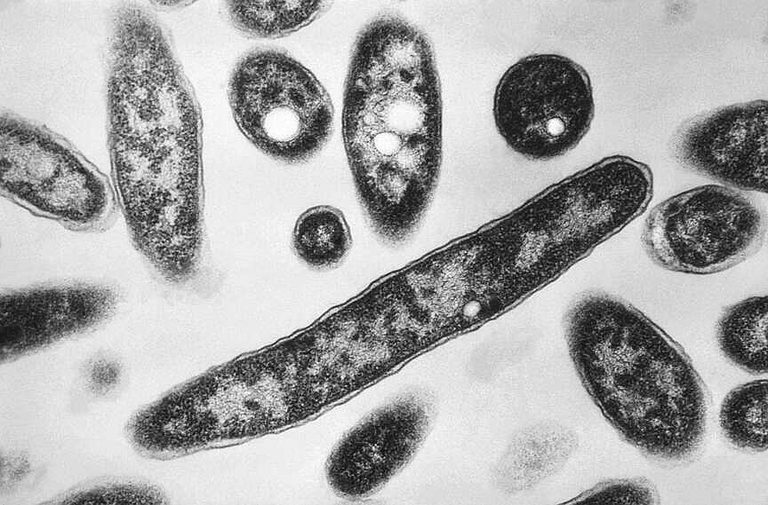
Legionnaires’ disease is a type of pneumonia caused by Legionella bacteria, which grow in warm water and spread in building water systems. People often get it by breathing in tiny droplets of contaminated water.
Symptoms usually develop two days to two weeks after exposure and include cough, fever, headaches, muscle aches and shortness of breath. People are at an increased risk for Legionnaires’ disease if they are age 50 or older, smoke or vape, have a chronic lung disease or have a weakened immune system.
Prevention and Treatment
People responsible for the safety of buildings and water systems can reduce the threat by taking steps to minimize the growth of the bacteria. This includes regularly cleaning and disinfecting cooling towers, maintaining adequate chlorine levels in spa pools, and flushing unused taps in buildings weekly.
There are also steps people can take to reduce the risk of Legionnaires’ disease at home, such as draining garden hoses, following manufacturers’ instructions for cleaning and replacing water filters, and checking chlorine levels in pools and hot tubs regularly.
Original reporting: Texarkana Gazette — read the source article.