New York Times journalists have been issued subpoenas to testify before a Manhattan federal grand jury on Wednesday after reporting on security concerns over President Donald Trump’s flight on the new Qatari-donated Air Force One.
Background
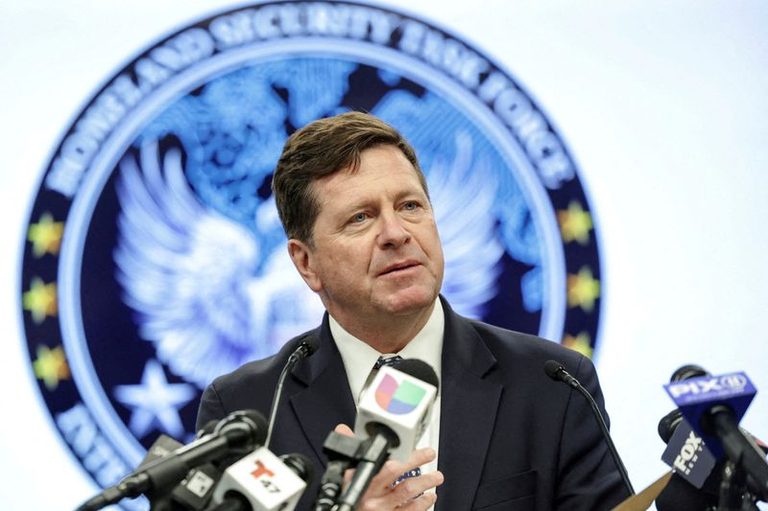
The subpoenas, issued by Manhattan U.S. Attorney Jay Clayton, seek to force the journalists to testify “in regard to an alleged violation of federal criminal law.” The Times’ top lawyer called the subpoenas a brazen attempt to intimidate journalists and vowed to fight them.
The new plane is a Boeing 747 refitted by defense contractor L3Harris Technologies. The Times reported on security shortcomings of the Qatari-donated jet that forced the president to use an older government plane for his recent international travel.
Legal Protections
Journalists have limited legal protections against federal subpoenas. The Supreme Court has held that the First Amendment of the U.S. Constitution does not allow reporters to refuse subpoenas unless they are issued in bad faith or to harass them.
Federal courts have since recognized a qualified privilege weighing whether the information is essential, obtainable elsewhere, and whether other factors outweigh press freedom. That protection is strongest in civil cases and weakest in criminal grand jury investigations.
Many states, including New York, have shield laws protecting journalists’ sources. No federal equivalent exists, and state shield laws do not apply to federal subpoenas.
Next Steps
The Times has said it will fight the subpoenas. The newspaper could ask a judge to quash the subpoenas as overbroad, issued in bad faith, or violating First Amendment protections.
If prosecutors offer immunity, the journalists lose their Fifth Amendment right against self-incrimination and could be held in contempt for refusing to testify, risking jail time or fines until they comply.
Original reporting: Appleton, WI News Feed (HLL/CB) — read the source article.