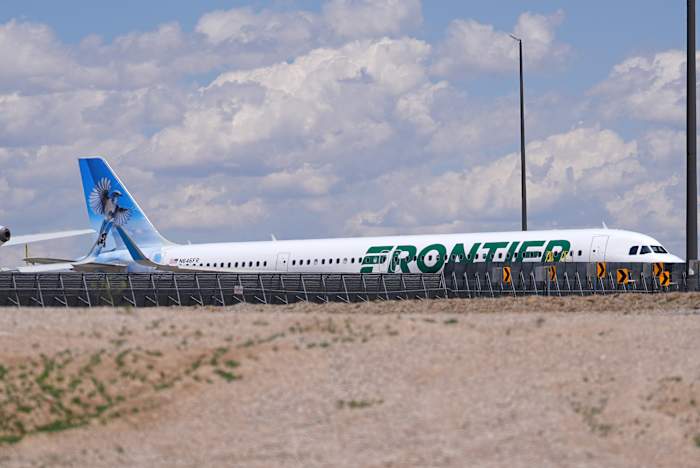
The National Transportation Safety Board is investigating an incident at Denver International Airport involving a Frontier Airlines jet that struck a person on the runway during its takeoff roll, triggering an evacuation of the aircraft and a rapid response from airport and emergency crews in Denver, Colorado.
The scene was chaotic and urgent as airline staff and first responders worked to clear the jet and assist passengers. Airport operations were immediately disrupted while crews secured the area around the runway. Officials confirmed the basic facts early on and said they would gather more information as the investigation proceeds.
The NTSB has taken the lead on information gathering, which typically includes interviews with the flight crew, cabin crew and any witnesses. They will also review air traffic control logs, airport surveillance video and maintenance records for the aircraft. That mix of technical records and firsthand accounts is standard practice whenever a vehicle or person is struck on a runway.
Frontier Airlines coordinated with airport authorities and emergency services to manage the evacuation and passenger care. Airline spokespeople and airport representatives were on site as the response unfolded, helping with passenger rebooking and logistics once everyone was safe. The focus in those first hours is always on immediate safety, medical attention and clearing the airfield for normal operations.
Runway incursions and people on active movement areas are among aviation’s most serious hazards, and regulators treat any strike involving a person as an event that needs thorough review. The FAA, airport operations teams and the NTSB often examine whether signage, fencing, lighting or procedures played any role. Investigators also look at whether any communication breakdowns occurred between ground crews, wildlife control, or other parties responsible for the airfield environment.
From the passenger perspective, evacuations are stressful and noisy, but they are practiced drills that crews run through to get people off a plane quickly and safely. Emergency slides, clear directions from flight attendants and calm coordination with firefighters and paramedics are what reduce harm in those moments. Airlines then switch to post-evacuation care, arranging medical checks, temporary housing, and alternate flights for affected travelers.
For Denver International Airport, the incident will prompt a review of ground security protocols and maybe changes in fencing, patrols or surveillance placement if gaps are identified. Any findings the NTSB issues could include recommendations to Frontier, the airport, or federal agencies about stronger protections or updated procedures. Those recommendations often lead to tightened practices that aim to prevent similar events down the line.
Investigators will piece together a timeline of what happened in the seconds before the aircraft began its takeoff roll and how the person ended up on the runway. That chronological reconstruction uses radar traces, cockpit voice recordings if relevant, and witness statements to establish sequence and cause. The goal is not only to explain this event but to find steps that make airports and flights safer everywhere.
Officials will release a more detailed account once initial data is analyzed and interviews are complete, and the NTSB’s public docket may eventually include a factual report or safety recommendations. Meanwhile, travelers and local residents may see continued temporary changes at the airport as authorities work through operational checks. The emphasis right now remains on care for anyone affected and a thorough investigation that uncovers what went wrong and how to prevent it.