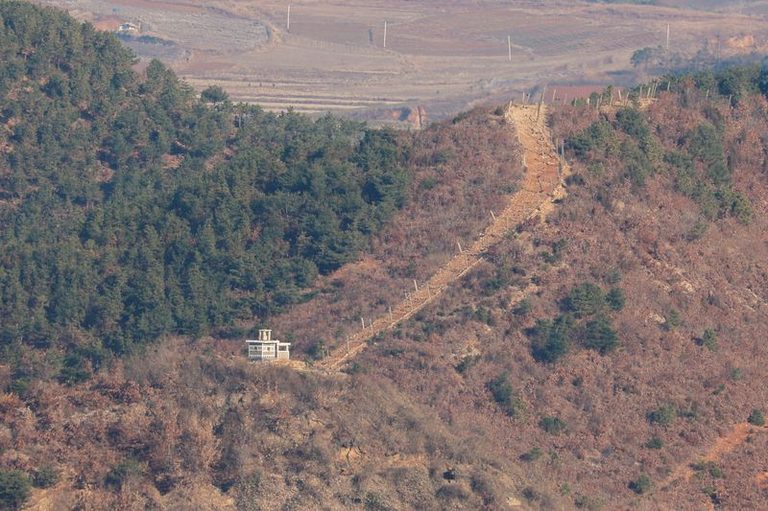
Seoul, South Korea – In a stark statement released on Wednesday, the Korean People’s Army’s state news agency KCNA warned that South Korea will “pay a price” for shifting blame to Pyongyang over a recent mine blast at the Demilitarized Zone (DMZ) border. The explosion, which wounded two South Korean civilians, has heightened tensions on the heavily fortified peninsula.
South Korean defence response
South Korea’s defence minister, Shin Won‑sik, told reporters on Tuesday that North Korean mines were responsible for the blast that occurred last week. He said the ministry would take “corresponding” action, though he offered no specifics about the nature of that response.
North Korean retaliation threat
KCNA’s statement framed the South’s attribution of blame as a provocation, asserting that any further aggression – including the use of live fire against North Korean troops – would be met with a decisive counter‑measure. The agency did not detail what form that retaliation might take, but the language echoed previous Pyongyang warnings following incidents along the DMZ.
Context of DMZ incidents
Incidents along the DMZ have risen in recent months, with both sides accusing the other of violating the armistice that ended active combat in 1953. Mine deployments, artillery exchanges, and occasional skirmishes have become a regular feature of the uneasy cease‑fire. While the two Koreas have engaged in occasional diplomatic overtures, the underlying security dilemma remains unresolved.
International reaction
U.S. officials, who maintain a significant military presence in South Korea, have called for restraint on both sides. A spokesperson for the U.S. Department of State emphasized the importance of dialogue and urged both governments to avoid actions that could further destabilize the region.
What this means for local residents
For communities living near the DMZ, especially those in the border counties of Gyeonggi Province, the threat of renewed hostilities raises concerns about safety and economic disruption. Local businesses that depend on cross‑border tourism and trade could feel the impact if tensions escalate.
Looking ahead
Both governments have indicated a willingness to pursue diplomatic channels, but the recent exchange of accusations suggests that the situation remains volatile. Observers note that any misstep could quickly spiral into a broader confrontation, underscoring the need for measured responses and continued engagement.
Original reporting: Appleton, WI News Feed (HLL/CB) — read the source article.