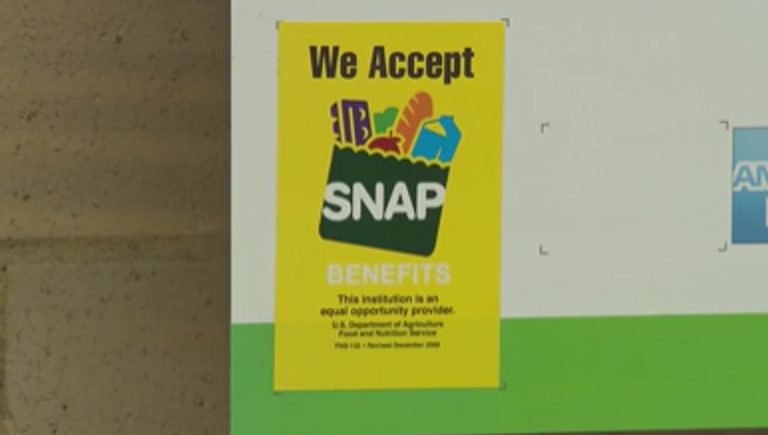
Raleigh, N.C. – Beginning Oct. 1, North Carolina taxpayers will cover an additional $85 million each year for the administrative costs of the Supplemental Nutrition Assistance Program (SNAP). The change comes after the federal One Big Beautiful Bill Act (H.R. 1), signed in July 2025, reduced the federal share of SNAP admin costs from 50 % to 25 %.
How the new funding split works
The federal government will continue to fully fund the food benefits that SNAP recipients receive. However, the administration of the program – the paperwork, eligibility verification, and error‑rate monitoring – will now be 75 % funded by the state and its counties. Governor Josh Stein highlighted that more than 1.7 million North Carolinians face hunger each year, with roughly 1.2 million relying on SNAP to put meals on the table.
Future benefit‑cost responsibilities
H.R. 1 also changes the way SNAP benefit costs are financed beginning Oct. 1, 2027. The federal government will no longer cover 100 % of those costs; states may be required to pay up to 15 % of benefit expenses, depending on their SNAP payment error rate. Stein’s office estimates North Carolina could face an extra $140 million or more annually after 2027 if the state’s error rate remains high.
State actions to curb errors
The North Carolina Department of Health and Human Services (NCDHHS) reports that payment error rates measure improper payments, including both overpayments and underpayments, as well as approvals for ineligible individuals. In the current budget cycle, the General Assembly increased funding for SNAP administration and invested in staffing and technology aimed at lowering the state’s error rate.
Stein’s office noted that while the state budget did not allocate additional funds for county social‑services departments to handle the increased workload, NCDHHS is collaborating with county agencies to reduce errors. Those efforts have already lowered the projected 2027 state contribution to SNAP benefits by $280 million.
What this means for North Carolinians
For SNAP recipients, the change does not affect the amount of food assistance they receive – those benefits remain fully federally funded. The additional state funding will support the infrastructure that processes applications, verifies eligibility, and monitors payment accuracy.
Governor Stein emphasized that the investment protects the integrity of the program and helps ensure that limited resources reach those who truly need them. “By strengthening our administrative capacity, we safeguard taxpayer dollars while continuing to fight hunger across North Carolina,” Stein said.
Local perspective
County officials have expressed concern about the added financial burden but also recognize the importance of reducing error rates. County social‑services directors say the partnership with NCDHHS to improve technology and training is a positive step toward more efficient service delivery.
As the state prepares for the upcoming fiscal changes, both state and local leaders are urging continued vigilance in program administration to keep North Carolina’s SNAP system both effective and fiscally responsible.
Original reporting: WRAL Raleigh — read the source article.