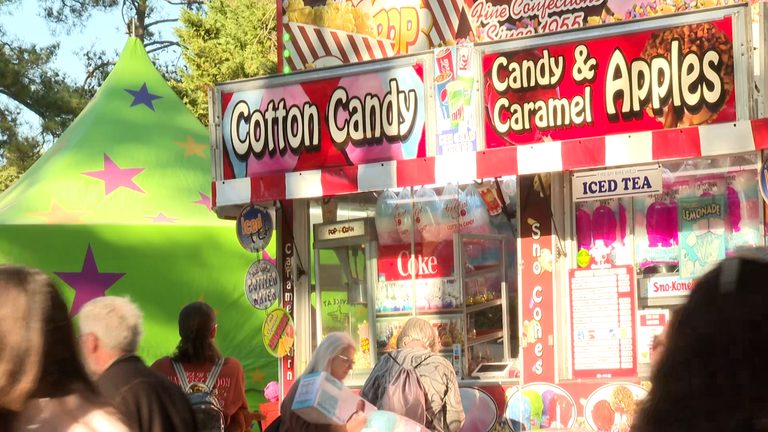
As the 2026 North Carolina State Fair wrapped up its 11‑day run, more than 910,000 fairgoers streamed through the grounds, offering a massive audience for the state’s food and beverage vendors. Yet the fair’s recent overhaul of its vendor fee structure has generated a range of responses from the small‑business owners who rely on the event for seasonal income.
New fee model replaces flat‑rate charges
Historically, vendors paid a flat fee based on the width of their stand – $180 per foot of frontage. A 10‑foot booth, for example, cost $1,800 for the entire fair. Beginning this year, the fair moved to a percentage‑based model, charging 15% of gross sales after sales tax is deducted. In addition, every vendor must use the fair‑approved Clover point‑of‑sale system, which tracks and audits each transaction.
Fair officials defend the change
Fair Director Kent Yelverton explained that the new arrangement aligns North Carolina with the common practices of other state fairs and creates a more equitable partnership between the fair and its vendors. “We’re going to industry standard, which is percentage, and we’re going in at the low end of the range. If they’re paying that much more under that, they were getting a bargain,” Yelverton said in May.
Veteran vendors feel the pinch
Preston Ray, who runs Ray’s Coffee in Wendell and has attended the fair for 45 years, said the new fee structure has at least doubled, and possibly tripled, his annual cost to the fair. Ray also had to rent the required Clover system, an expense he described as “significant” for a business that does not normally use that technology. He is still tallying his total outlay and weighing whether a return next year makes financial sense.
Entrepreneurs focused on mission over profit
Devon Rice, co‑founder of Dinkers Glazed Nuts, highlighted the fair’s exposure value for his Raleigh‑based company, which employs members of the neurodivergent community. While Rice praised the opportunity to reach new customers, he noted that after accounting for the Clover equipment and the 15% fee, the fair generated considerably less revenue than smaller events such as farmer’s markets. He rated the fair a 3 out of 10 on profitability, but suggested that the fair consider providing the payment‑processing hardware and covering audit costs if it wishes to track every dollar of vendor sales.
Some vendors anticipated the shift
Not all reactions were negative. Charlie Ji, co‑owner of the Korean barbecue stall Bulkogi, said he expected a percentage‑based fee because many other state fairs already use that model. Ji believes his location near the Great American Midways helped maintain strong sales, and he expects his revenue this year to be roughly comparable to last year’s figures.
Positive experiences still surface
Bobby and Dawn Sharpe, operators of a popcorn business in Broadway, North Carolina, described their fair experience as “great,” noting friendly crowds and favorable weather. Their comments illustrate that the high traffic and long operating hours can still translate into successful outcomes for some vendors.
Fair officials promise to listen
Yelverton acknowledged that a few longtime vendors chose not to return this year, but emphasized that the reasons for their absence must come directly from the vendors themselves. Fair officials plan to meet with vendors and other stakeholders to review feedback and consider adjustments for next year’s event. “We’re gonna sit down after a little rest and take all those comments and consider them,” Yelverton said.
Looking ahead
With attendance topping 910,000 visitors, the North Carolina State Fair remains a major draw for both residents and tourists. The shift to a sales‑based fee reflects a broader trend among state fairs to adopt industry‑standard practices, but the transition underscores the need for ongoing dialogue between fair organizers and the small businesses that help make the event a community staple.
Original reporting: WRAL Raleigh — read the source article.