Rhode Island voters will decide on Question 3 in the upcoming statewide election on October 28. The measure would allow the state to borrow $100 million to finance economic‑development projects, a move supporters say will keep the Ocean State competitive in high‑growth sectors.
How the money would be spent
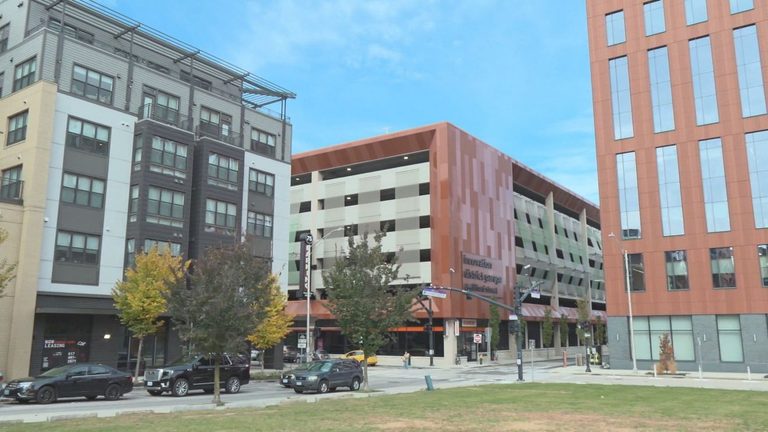
If approved, $55 million of the bond would be earmarked for large‑scale site work at locations such as the Quonset Business Park in North Kingstown and the I‑195 District in Providence. “[It’s] for building places businesses can locate, do the work in,” said Bob Cormier, CEO of the Rhode Island Life Science Hub, which is based in the I‑195 District.
The remaining $45 million would be used to support the ocean, defense, life‑science and data‑analytics industries. “The other part is for programs and incentives that actually allow us to accelerate our industry here in Rhode Island,” Cormier added.
Industry perspective
Cormier noted that the bond does not list specific projects, but would fund an industry sector not currently a line item in the state budget. He compared Rhode Island’s approach to neighboring Massachusetts, which has invested $1 billion over ten years through a direct appropriation. “Rhode Island hasn’t done that,” he said, emphasizing the need for new technologies, medicines and healthcare advancements.
Ocean State Labs startup founder Kareen Columbe echoed the sentiment, calling funding for life‑science research “critical” for the state’s future.
Opposition and fiscal concerns
Mike Stenhouse, CEO of the Rhode Island Center for Freedom and Prosperity, argued that economic growth is better achieved through competitive tax rates and regulatory reforms rather than borrowing. “All these questions sound good. They look good. ‘Hey, why not do this?’ But they’re just handouts,” Stenhouse said.
Stenhouse pointed to Quonset Business Park’s reported $7 billion economic output last year as evidence that the area does not need government assistance. He labeled the bond a “pure money grab” that could ultimately hurt the state’s finances.
Cost to taxpayers
State officials estimate that interest on the bond over a 20‑year term would bring the total repayment to about $160 million, meaning Rhode Island would pay roughly $1.60 for every dollar borrowed. While the bond language does not specify individual projects, the state says any funded initiatives should begin in 2027.
What voters need to know
Question 3 appears on the ballot alongside other statewide measures. Voters who support the bond argue it will create jobs, attract high‑tech firms and bolster sectors where Rhode Island already has a competitive edge. Critics warn that the added debt could limit future fiscal flexibility and that private investment, not public handouts, should drive growth.
Both sides agree that the outcome will shape the state’s economic strategy for the next decade, making the upcoming vote a pivotal moment for Rhode Island’s business community and taxpayers alike.
Original reporting: NBC 10 WJAR (Sinclair) – local — read the source article.