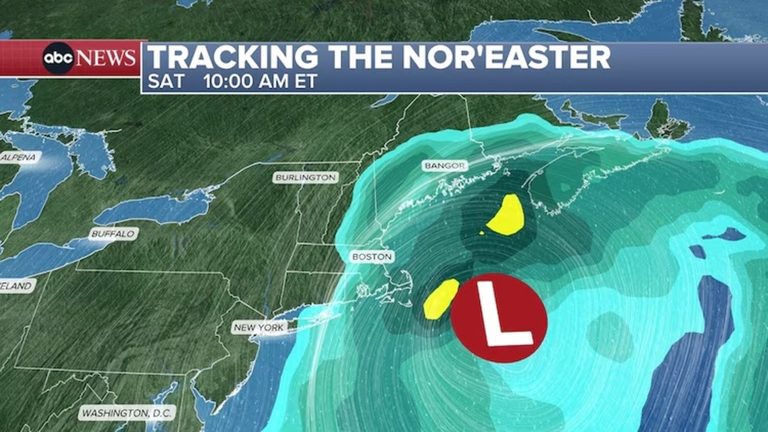
A low‑pressure system forming off the East Coast is forecast to strengthen into a nor’easter this weekend, bringing significant weather impacts from the Mid‑Atlantic up through New England. Residents should prepare for heavy rain, strong winds, large waves and potential coastal flooding.
Rain and wind forecast
The storm is expected to focus on New England, with rain beginning Friday and continuing through Monday. Rhode Island, Massachusetts and Maine are projected to bear the brunt of the system, experiencing widespread rain and wind gusts of up to 50 mph throughout the weekend. Eastern Massachusetts, including Boston and Cape Cod, as well as parts of Maine, could see at least five inches of rain by Monday, though the flood threat for Boston remains low.
Impact on New York City and the Mid‑Atlantic
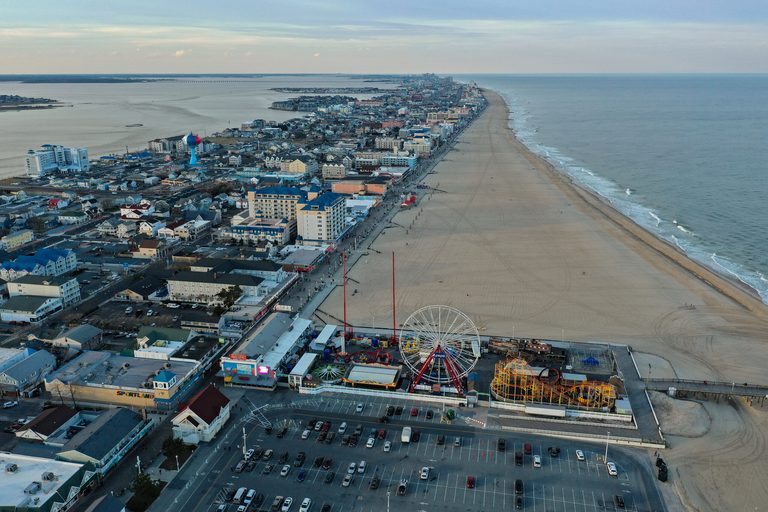
New York City is likely to avoid the worst of the wind and rain, but could receive about one inch of rain from passing showers over the weekend. The storm will also generate large waves, already pounding the Mid‑Atlantic coast. Waves between six and fifteen feet are forecast from North Carolina’s Outer Banks through the New Jersey shore from Wednesday to at least Saturday, with wind gusts up to 50 mph from North Carolina to New Jersey.
Coastal flooding and safety concerns
Coastal flood alerts are in effect from Virginia to New Jersey, where a combination of high tides and large waves could produce water levels one to three feet above ground. Dangerous rip currents are also expected from the Mid‑Atlantic up through New England throughout the weekend. Residents near the shoreline should heed local advisories and avoid unnecessary travel on the beach.
Travel disruptions
The nor’easter could cause flight delays and cancellations, particularly on routes between New York City and Boston. Travelers are advised to check with airlines for the latest status and to allow extra time for travel.
About nor’easters
Nor’easters are named for the prevailing northeast winds that accompany them. While they can occur any time of year, they are most frequent and most intense between September and April. These storms typically bring heavy precipitation—rain or snow—gale‑force winds, rough seas and coastal flooding.
Original reporting: Allentown News – 6abc Philadelphia — read the source article.