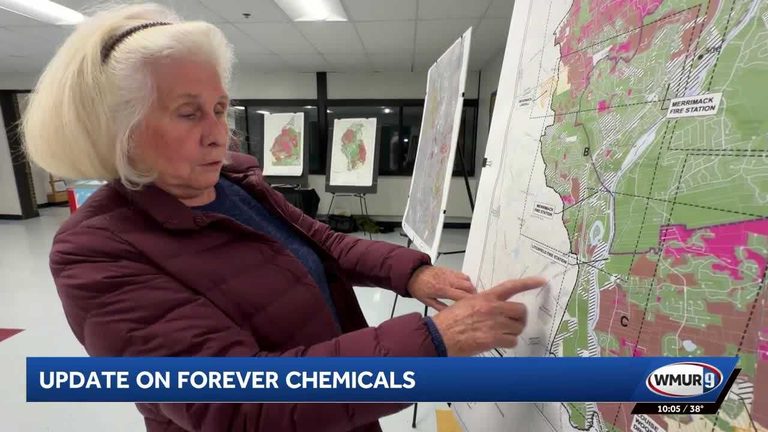
The New Hampshire Department of Environmental Services (NHDES) convened a public briefing on Monday in Merrimack to inform residents of the progress made since the 2016 discovery of PFAS—commonly called “forever chemicals”—in the Saint‑Gobain Performance Plastics plant and surrounding water supplies.
Background and health concerns
PFAS are synthetic compounds linked to cancer and other serious health issues. In 2016, testing revealed these toxins in tap water at the Saint‑Gobain facility and later in the municipal supplies of Merrimack, Bedford, Litchfield, Londonderry and Hudson. The state’s toxicology panel has been monitoring exposure risks and advising on protective measures for families.
State response and remediation steps
During the meeting, NHDES highlighted several concrete actions taken to safeguard drinking water. In April, Saint‑Gobain agreed to contribute $1.7 million toward a new water main in Londonderry, expanding the infrastructure that delivers clean water to residents.
Additionally, a consent decree established a remediation boundary within which Saint‑Gobain is legally obligated to address contamination. While the decree sets clear responsibilities, officials acknowledged that some nearby homes fall just outside the defined zone, prompting ongoing dialogue about expanding protections.
Elected officials weigh in
Hillsborough District 12 Representative Rosemarie Rung praised the meeting as an opportunity for transparency. “Eleven years have passed, and this is a time for them to update the community,” she said, emphasizing the need to educate newer residents about the plant’s history and the steps taken to ensure safe drinking water.
Rung also expressed frustration that the original consent decree, finalized in 2018, did not cover all affected areas. “I wish I could turn the clock back and expand the boundaries, putting more requirements on Saint‑Gobain to pay for purification,” she noted. While we respect her concern for broader coverage, the state’s current remediation plan reflects a realistic balance of accountability and feasibility.
Resident experiences
Some locals, such as Kathryn Segreti, who lives just beyond the remediation boundary, remain cautious. “I drive to Wilton to get my water. It’s a weekly thing now,” she said, illustrating the lingering anxiety many families feel.
Saul Shriber, a resident of Chester who discovered PFAS in his own water, warned that the issue is not confined to specific zones. “It’s something that I think eventually all of us in New Hampshire are going to need some type of device… a filter to take care of the PFAS in our water,” he explained.
Looking ahead
State officials reaffirmed that the remediation plan is ongoing and that additional testing will continue to verify water safety. They encouraged residents to use the NHDES website to learn how to test their own water supplies.
“We’re playing catch‑up to a lot of the failure of our government to be able to regulate dangerous chemicals,” Rep. Rung said, underscoring the importance of vigilant oversight. The department’s response, however, highlighted the progress made and the resources being allocated to protect families across the affected communities.
For more information on PFAS testing and the latest updates from NHDES, residents can visit the agency’s website.
Original reporting: WMUR (Hearst) – local news — read the source article.