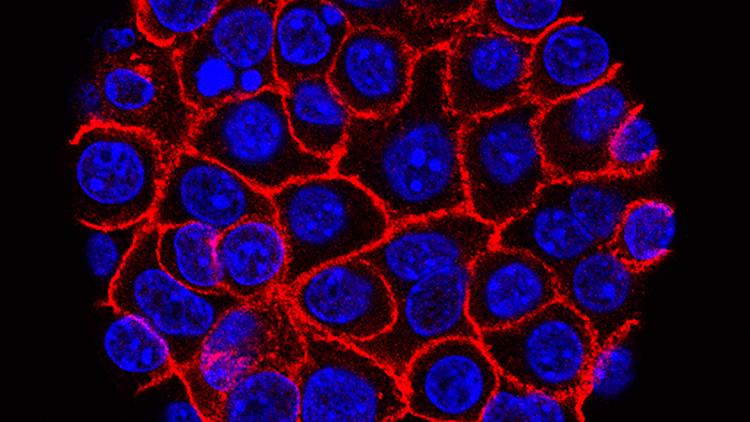
A new experimental pill, daraxonrasib, is offering hope to patients with advanced pancreatic cancer by nearly doubling their survival time. This development marks a significant step forward in treating one of the deadliest forms of cancer. Researchers presented these findings at the American Society for Clinical Oncology meeting in Chicago, highlighting the potential of this novel treatment.
Breakthrough in Cancer Treatment
Daraxonrasib targets a mutated protein that fuels tumor growth in over 90% of pancreatic cancer cases. In a study involving 500 patients, those taking the pill lived for a median of 13.2 months compared to 6.7 months for those receiving additional chemotherapy. This is the first drug to show a substantial advantage over chemotherapy for this condition, according to Dr. Zev Wainberg from UCLA, who co-led the study.
Dr. Rachna Shroff from the University of Arizona Cancer Center, who was not involved in the research, expressed her emotional reaction to the results, noting the meaningful benefits patients experienced, including less pain and improved quality of life.
Potential New Standard of Care
Dr. Brian Wolpin of the Dana-Farber Cancer Institute suggested that daraxonrasib could become a new standard of care for previously treated metastatic pancreatic cancer. The drug’s ability to shrink tumors may also allow more patients to qualify for surgery, a critical step in treatment.
The drug, funded by Revolution Medicines, is under expedited review by the FDA. Meanwhile, an expanded access program is being initiated to allow eligible patients to receive the drug. Former U.S. Senator Ben Sasse has publicly shared his positive experience with the treatment, increasing interest among patients and oncologists.
Challenges and Future Directions
Pancreatic cancer remains one of the most challenging cancers to treat due to its late detection and aggressive nature. The American Cancer Society estimates that 67,000 new cases will be diagnosed in the U.S. this year, with a five-year survival rate of just 13%. However, the success of daraxonrasib offers a glimmer of hope, with researchers optimistic about further advancements in treatment.
Future research will explore the drug’s effectiveness in different KRAS subtypes and its potential use earlier in the disease progression. Other experimental approaches, such as vaccines to prevent recurrence, are also being investigated.
Original reporting: CBS19 / KYTX (Tyler) — read the source article.