Residents of Albuquerque and Rio Rancho have reported an uptick in bear sightings as the region endures a prolonged drought and extreme heat. Wildlife officials say the scarcity of natural food and water is driving the animals into residential areas in search of sustenance.
Recent incidents
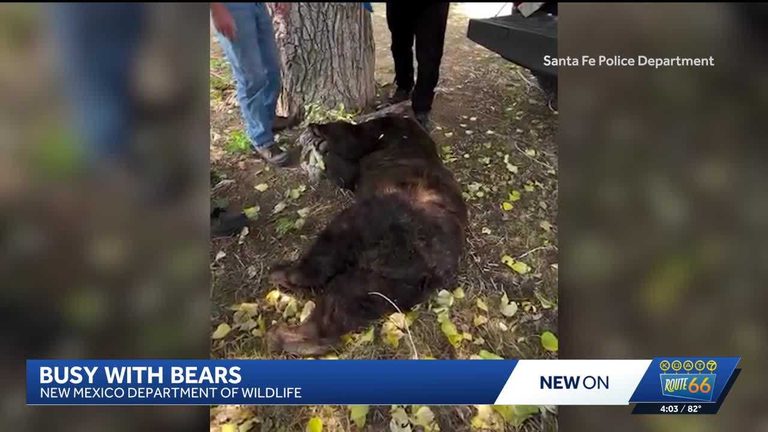
On Sunday, a bear entered a Rio Rancho neighborhood. Police and the New Mexico Department of Wildlife (DOW) responded, tranquilized the animal and moved it to a more suitable habitat. Neighbors observed the operation without alarm, noting that such encounters have become “more common” over the years.
“I’ve been here since ’94. Every now and then, you hear about a few of them, so it happens from time to time,” said one long‑time resident.
Why bears are coming to town
Jessica Shelton, a spokesperson for Animal Protection New Mexico, explained that the ongoing drought has depleted the bears’ traditional foraging grounds. “As long as there is available food and water in these urban areas, we’re going to see some bears coming into that territory,” she said.
The DOW’s website warns that a bear that learns to rely on human‑provided food can become a repeat visitor, making relocation efforts less successful. The agency’s policy states, “A fed bear is a dead bear,” and notes that persistent urban foraging may lead to euthanasia if public safety is threatened.
Department response and public safety
Officials emphasize that the primary concern is protecting both residents and the animals. When a bear repeatedly returns to a populated area after relocation, the department may consider euthanasia as a last resort to prevent potential attacks.
“My understanding is that once a bear has been relocated and continues to return to an urban area and there are public safety concerns, the department may have to make that difficult decision,” Shelton added.
What residents can do
Animal‑rights groups urge the public not to feed bears or leave unsecured garbage that could attract them. Properly securing trash, removing bird feeders, and avoiding intentional feeding are recommended steps to reduce human‑wildlife conflict.
While the DOW has not responded to requests for specific numbers of euthanized bears, the agency’s statements suggest that the practice is reserved for cases where a bear poses an ongoing risk after multiple relocation attempts.
Looking ahead
As the drought persists, wildlife officials anticipate continued bear activity in suburban neighborhoods. They encourage residents to report sightings promptly, allowing for safe capture and relocation before animals become habituated to human environments.
Community awareness, combined with responsible waste management, may help mitigate future encounters and protect both the bears and the families who share these neighborhoods.
Original reporting: KOAT Albuquerque — read the source article.