The Trump administration has introduced a new rule that could make it more challenging for millions of sick Americans to maintain Medicaid coverage. The Centers for Medicare and Medicaid Services (CMS) announced a work requirement for Medicaid enrollees, effective January, which includes a stricter definition of exemptions for those considered ‘medically frail.’
Impact on Medicaid Enrollees
The rule requires low-income adults to work, volunteer, attend school, or participate in a job program for at least 80 hours a month, unless they qualify for certain exemptions. To be exempt as medically frail, enrollees must prove their condition significantly impairs their ability to work. This interpretation has surprised many states and advocacy groups, who warn it could strip essential health coverage from those in need.
Jocelyn Guyer from Manatt Health expressed concern, stating that the rule will increase the burden on individuals with serious conditions, potentially leading to catastrophic loss of coverage. The Congressional Budget Office estimates that 5.3 million more people could be uninsured by 2034 due to these requirements.
Advocacy and Response
Patient advocacy groups, including the American Cancer Society Cancer Action Network, have voiced strong opposition, arguing that the rule could jeopardize access to life-saving treatments. They emphasize that individuals undergoing active cancer treatment may face insurmountable obstacles to maintaining coverage.
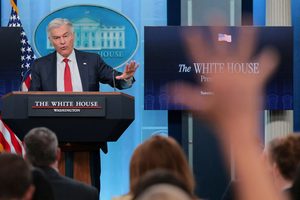
CMS officials defend the rule, stating it aims to increase self-sufficiency among Medicaid enrollees while protecting the vulnerable. Dr. Mehmet Oz, overseeing CMS, linked the provisions to maintaining program integrity, emphasizing a balance between compassion and accountability.
Challenges for States
States face tight deadlines to implement these work requirement programs by January. The lack of guidance on defining ‘medically frail’ means states may adopt varying standards, creating inconsistencies. Additionally, starting in 2028, enrollees will be limited in self-attesting their eligibility for exemptions, adding further complexity.
Despite the challenges, CMS maintains that the exemption ensures work expectations are directed towards those who can participate, while protecting those who cannot. The rule is part of a broader effort by the Trump administration to address perceived issues within federal programs.
Original reporting: KRDO (Colorado Springs metro) — read the source article.