New Haven welcomed its first Disability Resource Fair on Saturday afternoon in the sun‑lit gymnasium of the Q House on Dixwell Avenue. The four‑hour event drew roughly 150 attendees, offering a one‑stop shop of resources for people with disabilities.
Local agencies and nonprofits collaborate
The fair was organized by the city’s Department of Disability Services, the Commission on Disabilities, the ADA Coalition of Connecticut and the Center for Disability Rights. Volunteers led by former commissioner Sally Esposito and Donna Golden of the Collective for Refugee and Immigrant Women’s Well‑being helped staff dozens of tables.
Visitors found sign‑language and Spanish interpreters, candy, Halloween‑themed giveaways and a variety of assistive‑technology displays. The New England Assistive Technology Center showcased high‑contrast keyboards, roll‑able computer mice and adaptive toys designed for users with limited manual dexterity.
Transportation training highlighted
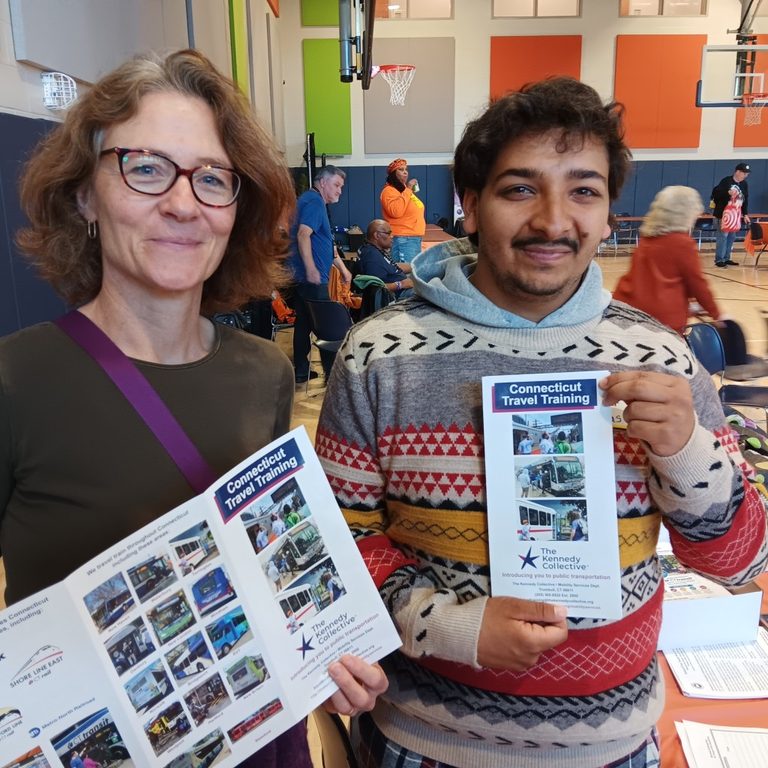
One of the fair’s highlights was Thomas Robertson, a “travel trainer” from the Kennedy Collective in Trumbull. Robertson teaches seniors, students on the autism spectrum and other individuals how to navigate the city’s bus and rail system safely. He explained his “mobility training” process, which includes a personal route assessment, safety checks at curb cuts and key intersections, and hands‑on practice rides.
Robertson recounted a recent three‑and‑a‑half‑hour, four‑bus trip he helped a client complete after a long COVID‑related isolation period. The client eventually traveled the route independently, a testament to the value of personalized training.
Veteran services and future plans
Shannon Mykins, director of communications for the Connecticut Veterans Legal Center, attended to highlight services for veterans with disabilities, such as eviction assistance and discharge‑related support. Mykins emphasized the center’s role in bridging gaps for disabled veterans who may not know about available resources.
Fair organizers noted that federal changes, including potential cuts to Medicaid, make events like this crucial for informing families about their rights and available aid. “Once the ADA passed, many think all problems are solved. That’s not true,” said former commissioner Esposito.
Attendees expressed optimism that the fair will become a recurring event, with plans already under discussion for another gathering within the next two years.
Original reporting: New Haven Independent — read the source article.