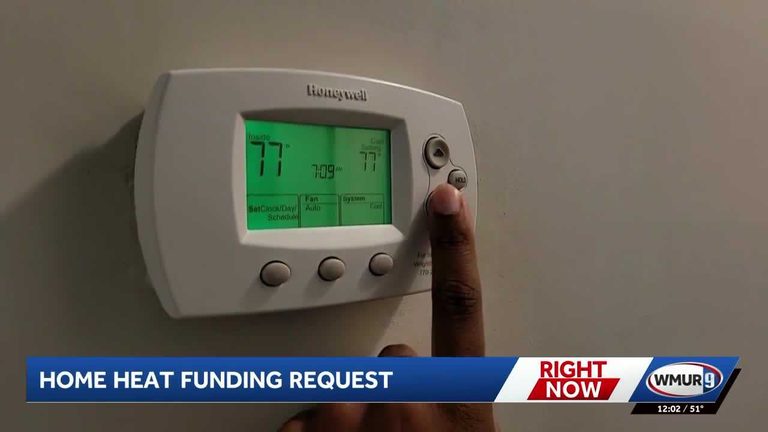
With colder weather on the horizon, the governors of Connecticut, Maine, Massachusetts, New Hampshire, Rhode Island and Vermont have jointly appealed to the federal government for a substantial increase in funding for the Low‑Income Home Energy Assistance Program (LIHEAP). In a letter sent to congressional leaders, the governors requested an extra $3 billion, which would raise the program’s total budget to $7 billion for the current year.
Why the request matters for families
LIHEAP provides direct assistance to qualified households struggling to pay their winter heating bills. The governors warned that, at current funding levels, soaring energy prices are eroding the purchasing power of the program. “At current funding levels, rising energy prices will erode the purchasing power of LIHEAP assistance, forcing states to reduce benefits or serve fewer eligible households when the need is greatest,” the letter read.
State officials stress urgency
Each governor highlighted the unique challenges facing their constituents. In Connecticut, the governor noted that utility rates have risen sharply over the past year, leaving many low‑income families facing difficult choices between heat and other essentials. Maine’s governor pointed to the state’s harsh winter climate, which can push heating costs well beyond the average household budget.
Massachusetts and New Hampshire officials emphasized that without additional federal support, states may be forced to tighten eligibility criteria, potentially leaving thousands of vulnerable families without aid. Rhode Island and Vermont echoed these concerns, stressing that the current LIHEAP funding is insufficient to meet the heightened demand driven by higher fuel prices.
How residents can access assistance
Families in need can apply for LIHEAP by contacting their local Community Action Agency. A directory of agency phone numbers is available online, and many states also offer supplemental resources to help residents navigate the application process.
State governments have also earmarked additional resources, such as emergency heating grants and utility bill payment assistance, to complement LIHEAP funding. Residents are encouraged to explore these options alongside the federal program.
Federal response and next steps
The governors’ request arrives as Congress debates the broader federal budget for the upcoming fiscal year. While the administration has expressed support for expanding assistance to low‑income families, the final allocation will depend on legislative negotiations and appropriations decisions.
In the meantime, the governors have pledged to continue working together and with federal partners to ensure that no family in New England is left without heat this winter.
Original reporting: WMUR (Hearst) – local news — read the source article.