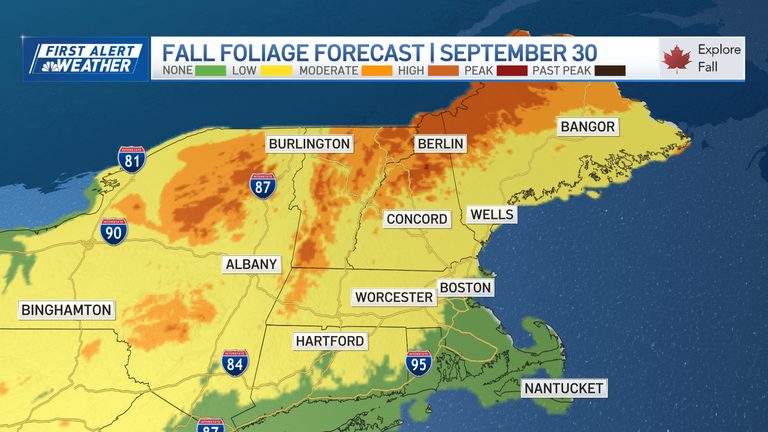
Residents of northern Massachusetts and the surrounding New England area can already see the first flashes of autumn color after a summer marked by extreme heat in early July and heavy rain later in the month. Arborists note that the trees have largely withstood those stresses, setting the stage for a promising foliage season.
Summer Weather Impact on Trees
Scientists track tree stress by measuring the effects of excessive or insufficient rain and temperature extremes. In northern New England, the stress levels remain low, indicating that trees are well‑positioned to produce vivid reds, oranges, and yellows. Southern New England shows slightly higher stress, but still within limits that allow for strong color development.
What Conditions Produce the Best Colors?
Experts agree that crisp, cool mornings combined with mild, sunny afternoons create the ideal environment for leaf pigments to develop. Low temperatures in the 30s and 40s Fahrenheit at night, paired with daytime highs in the upper 60s, help trap sugars in the leaves, intensifying reds and purples. Excessive warmth or prolonged rain can dull the display, and strong winds with driving rain may cause early leaf drop.
Timing of the Peak
While the exact moment of peak foliage is subjective, most forecasters anticipate the highest concentration of color in southern New England around mid‑October. Northern areas are likely to reach their peak a week or two earlier, as cooler temperatures arrive sooner.
Some observers even suggest there could be two peaks—a brief early burst followed by a later, more sustained display—but the consensus is that the main wave will roll through the region from late September into mid‑October.
What Residents Can Expect
Drivers and outdoor enthusiasts should look for sunny, clear days to enjoy the most vibrant scenery. On overcast or rainy days, colors may appear muted, though the underlying hues remain present. Local tourism offices are already promoting scenic drives and hiking trails that showcase the early color change, encouraging families to plan weekend outings.
Arborists also caution that after the summer heat dissipates, trees have limited ability to recover lost vigor. Maintaining the ideal temperature swing—cold nights and warm, sunny afternoons—will be crucial for a full, brilliant display.
Looking Ahead
As September progresses, weather forecasts will be closely watched. A continued pattern of cool mornings and sunny afternoons will likely extend the foliage season, while any sudden warm spells or extended periods of rain could shorten it. Residents are encouraged to stay informed through local weather updates and to enjoy the unfolding natural beauty while it lasts.
Whether you’re planning a family drive through the Berkshires, a hike in the White Mountains, or simply a walk in your neighborhood park, the early signs of fall are a reminder of the season’s promise. Keep an eye on the skies, dress warmly for crisp mornings, and savor the shimmering reds and purples that define New England’s autumn heritage.
Original reporting: NBC10 Boston — read the source article.