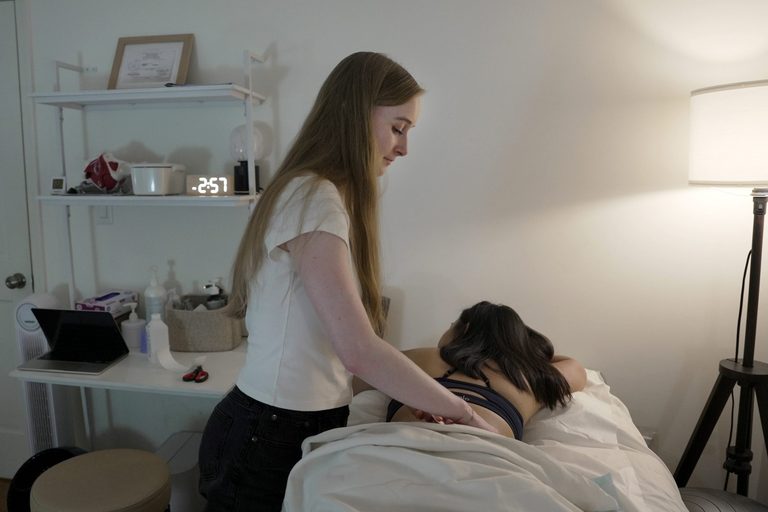
When 31‑year‑old Zoë Armstrong finally saw an ultrasound confirming endometriosis, she cried with relief. “To see it on paper, I was like, ‘I’m not crazy,’” she said, after years of unexplained pain and countless doctor visits.
Why diagnosis is so delayed
The American College of Obstetricians & Gynecologists notes that many patients wait a decade or more from the onset of symptoms before receiving a diagnosis. Endometriosis, a chronic inflammatory disease where tissue similar to the uterine lining grows on other organs, affects roughly one in ten women worldwide.
Symptoms vary widely—pain during periods, intercourse, or bowel movements; bloating; fatigue; infertility; and, in severe cases, heavy bleeding, acne, and rupturing ovarian cysts. Dr. Drorit Or of Mount Sinai West in New York describes the pain as “debilitating” enough to keep patients out of school or work for days.
Emerging diagnostic tools
Researchers abroad have introduced two promising tests. The half‑hour EndoSure measures electrical signals in the gut via sensor pads on the abdomen, while the saliva‑based Endotest looks for micro‑RNAs that may indicate the disease. Both provide results faster than traditional imaging, but the U.S. Food and Drug Administration has not yet approved them.
In the United Kingdom, draft guidance suggests the National Health Service trial these tools for three years while gathering more evidence. Maryland‑based EndoSure founder Dr. Mark Noar says his company is preparing an FDA application, and French firm Ziwig is pursuing a lab‑developed pathway for Endotest.
Doctors’ perspective
U.S. physicians agree these tests could aid diagnosis but will not replace existing methods such as imaging and laparoscopy. “I would not say that it’s the only tool that a patient would have in their diagnostic pathway,” said Dr. Andrew Spiers of Ziwig.
Experts also stress that better diagnostics will not solve the broader issue of normalizing period pain. Dr. Megan Billow of the Cleveland Clinic notes that many providers lack specialized knowledge of endometriosis, contributing to delayed recognition.
Practical steps for patients
Doctors recommend patients keep a detailed pain diary—recording timing, location, and intensity—to present a clear picture to their physicians. Asking directly, “Do you think I have endometriosis?” can prompt further investigation.
Treatment options
Once diagnosed, treatment may include over‑the‑counter pain relievers, prescription medications specifically for endometriosis, hormonal therapies such as birth‑control pills or progestin, and, in severe cases, surgical interventions like hysterectomy. Armstrong underwent excision surgery to remove lesions and now attends pelvic‑floor therapy multiple times a week.
Beyond her own care, Armstrong volunteers with the Endometriosis Foundation, speaking at New York City schools to raise awareness. “They need to know what to look out for — not just for endo, but for other women’s health conditions in general,” she said.
Hope for the future
Dr. Or emphasizes that a diagnosis can open the door to effective management. “You don’t have to live in pain. You can have a very, very good life managing this disease,” she affirmed.
Original reporting: Alexandria, VA News – WTOP News — read the source article.