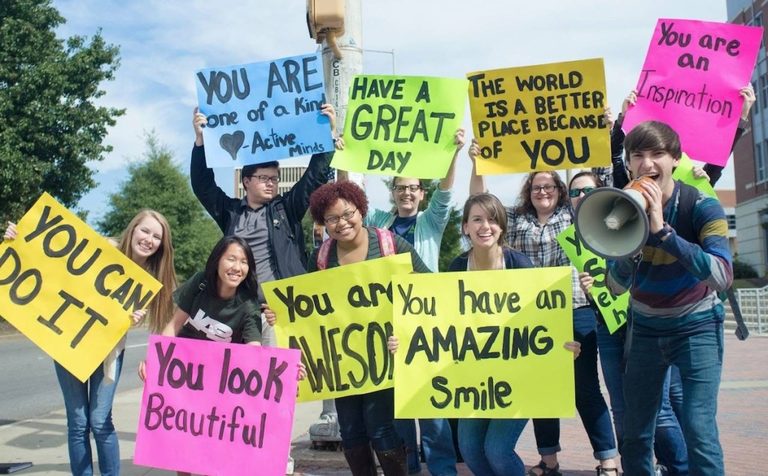
The Campus Lifeline Act, introduced to Congress on May 4, aims to provide mental health support to students nationwide by making the 988 Suicide and Crisis Lifeline more accessible.
Mental Health Support for Students
The bill, authored by Active Minds, a nonprofit organization, seeks to reimagine a system where psychiatric and emotional resilience is the standard for all. It has two core priorities: federally mandating that the 988 Suicide and Crisis Lifeline be visible on the back of student IDs across all public institutions nationwide and expanding the Garrett Lee Smith Campus Suicide Prevention Program to allow grantees to fund student-led early intervention and outreach efforts.
Rohan Satija, a youth mental health activist and supporter of the legislation, emphasized the importance of normalizing mental health conversations in schools. “We’ve built a mental health system that’s mostly reactive and not proactive. We wait for young people to reach a crisis point and then we intervene. This shows that mental health is a conversation that should be had, and we should be coming forward and sharing our stories as youth,” Satija said.
Anika Rahman, director of policy at Active Minds, noted that the demand is not just about expanding self-help resources but about expanding what is possible. “When we rely on a couple of tools, it’s relying on a few leaders to spread the word and be the main messenger in their community versus the legislation and law. When it’s passed, a larger population is impacted by and benefits from it versus just certain schools and silos,” Rahman explained.
Impact of the 988 Lifeline
Since its introduction in 2022, the 988 Lifeline has had a significant impact, with over 15 million calls, 4 million chats, and 3 million texts. A recent study published in JAMA found an 11% decline in suicide rates among 15- to 34-year-olds, representing 4,372 lives saved.
The concept of the 988 Lifeline on student IDs originally started in 2012 with two scholars in the Active Minds chapter at the University of Dayton. The idea has since expanded to several schools across the nation, including in Texas, Virginia, and Louisiana, and is now taking on federal attention.
Original reporting: The Washington Informer — read the source article.