When families in Nevada find themselves reaching for credit cards to buy groceries, pay a gas bill or replace a roll of toilet paper, it signals a deeper strain on household finances. A survey commissioned by Advance America and conducted in September asked more than 3,000 Nevada adults about their borrowing habits. The results show that 42% of respondents have borrowed money for everyday expenses or small purchases at least once a month over the past year.
What Nevadans Are Borrowing For
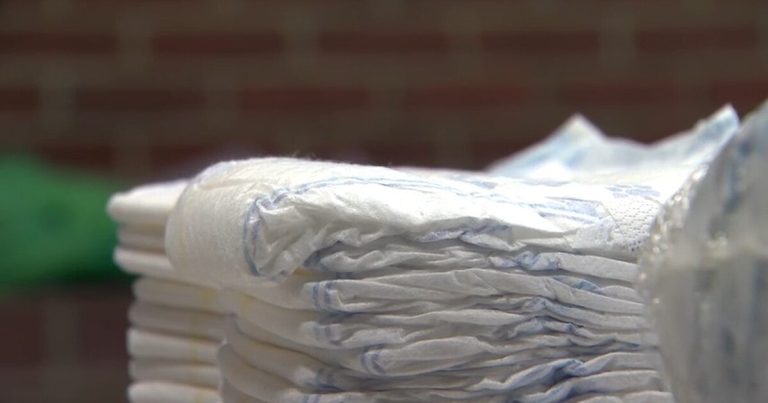
Respondents listed groceries as the top item they financed, followed closely by gas, utility bills and rent or mortgage payments. Smaller, everyday items also appeared on the list: toilet paper, toothpaste, deodorant, laundry supplies and even fast‑food meals. Some parents reported cutting back on their own needs in order to cover costs for their children.
Expert Perspective
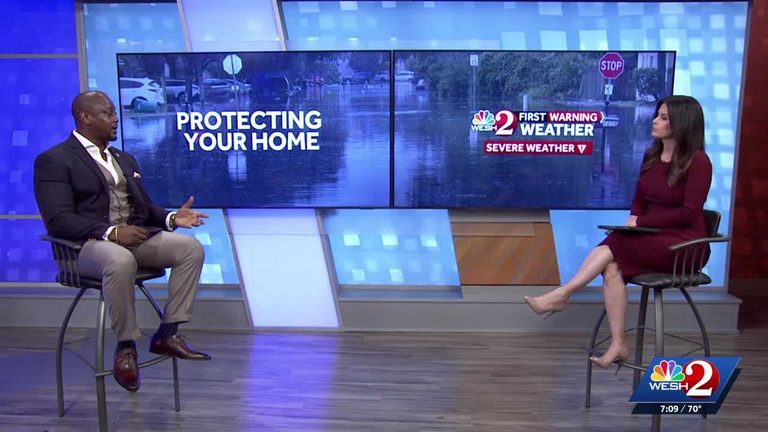
Local money‑management specialist Andrew Leavitt warned that turning to credit for basic necessities is a warning sign. “So that’s the warning sign, really,” Leavitt said. “If you’re getting to the point where the basic necessities, you’re having to borrow whether it’s a credit card or a payday loan or some sort of funding, you really need to go back to the foundation and look at where you’re at overall, and a major change needs to happen. Otherwise, that’s going to be a circle that’s going to get worse.”
Practical Steps for Families
Leavitt recommends that households relying on borrowing for routine expenses take a comprehensive look at their monthly budget. For homeowners with higher‑interest debt, he suggests evaluating whether a home‑equity loan could consolidate debt at a lower rate—though he cautions that this option is not suitable for everyone, as it puts the home at risk if payments become unaffordable.
Renters facing unaffordable housing costs might consider moving to a less expensive residence to reduce monthly outlays. Leavitt also emphasizes the importance of avoiding a recurring borrowing cycle; once borrowing becomes part of the regular budget rather than an occasional emergency, it can erode financial stability.
Why This Matters to Nevada Communities
Financial strain on families can ripple through neighborhoods, affecting local businesses, schools and charitable organizations that rely on stable consumer spending. By highlighting the prevalence of borrowing for everyday items, the survey underscores the need for community‑focused financial education and resources that help residents build a stronger economic foundation.
Local churches, civic groups and family‑oriented nonprofits are encouraged to share budgeting workshops and debt‑counseling services. Such efforts align with the values of traditional families and individual liberty, empowering Nevadans to make informed financial choices without undue reliance on high‑cost credit.
Looking Ahead
While the survey paints a sobering picture, it also offers a clear call to action for policymakers, community leaders and families alike. By promoting financial literacy, affordable housing options and responsible lending practices, Nevada can help its residents move from a cycle of borrowing to a path of sustainable prosperity.
Original reporting: KTNV 13 Action News Las Vegas (local) — read the source article.