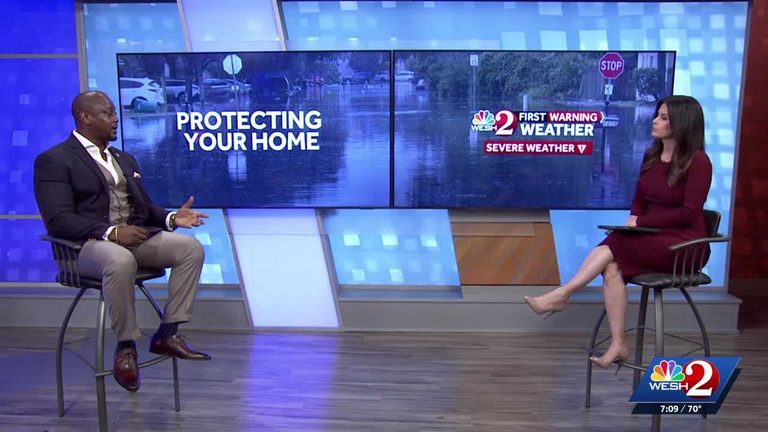
With several Atlantic‑coast communities in Florida expecting up to a foot of rain over the next few days, insurance professional Michael Lane sat down with WESH 2 News to outline practical steps homeowners can take now to protect their property from potential flooding.
Start with a thorough inventory
Lane, the owner of 4 Lane Insurance, emphasized that the first action should be a detailed inventory of personal belongings. “Take inventory of everything you have. In order to make a claim for insurance, you do have to articulate what your losses are,” he told anchor Michelle Imperato. He warned that many residents lack flood insurance, leaving them dependent on FEMA assistance or the National Flood Insurance Program (NFIP). However, Lane noted that a federal disaster declaration has not yet been issued, meaning federal aid may not be immediately available.
Understand your coverage options
When discussing flood policies, Lane highlighted two primary options: private flood insurance and the federal program. “Private flood — which I always recommend — offers broader coverage and can provide assistance if you are displaced from your home. FEMA will not. FEMA’s only going to give you enough money for basic needs,” he explained. He urged homeowners to compare policies carefully, looking for coverage that includes both the dwelling and the contents at full replacement cost.
Know who to call first
In the event of a flood, Lane said the first call should always be to your insurance agent. “Let your insurance agent walk you through the process. You shouldn’t have to tackle it alone if you’re paying for flood insurance,” he advised. The agent can initiate the claim, while the policyholder’s responsibility is to document damage, take photographs, and provide receipts or proof of ownership.
Documenting loss for a smoother claim
Lane stressed that having receipts and a clear record of possessions can make a significant difference if the initial payout falls short. “If you have receipts, then you can prove exactly what you have,” he said. He also recommended reviewing the policy language to understand limits on contents versus structural damage.
Renters aren’t exempt
For renters, Lane suggested securing personal property protection, noting that renters are generally not liable for damage to the building itself. “Renters are luckily not responsible for the damage to the dwelling that’s caused by floods,” he said, but they should still protect their own belongings.
Take proactive steps now
Lane’s advice aligns with recent local guidance urging residents to sandbag vulnerable entry points, clear gutters, and elevate valuables where possible. By acting early—taking inventory, reviewing policies, and contacting agents—Floridians can reduce the financial impact of any flooding that may occur during the upcoming rain event.
Original reporting: WESH Orlando — read the source article.