Clark County residents may soon see crypto kiosks disappear from convenience stores and other retail locations. The Nevada Legislative Committee on Senior Citizens, Veterans and Adults With Special Needs has introduced a bill that would ban these machines, citing a sharp rise in fraud that has left seniors financially devastated.
Scam statistics raise alarm
The FBI’s 2025 Internet Crime Report documented 13,460 complaints involving crypto kiosks, a 23% increase over the previous year, and losses totaling $389 million. Seniors aged 60 and older accounted for nearly half of the complaints and $257 million of the losses.
AARP Nevada leads the effort
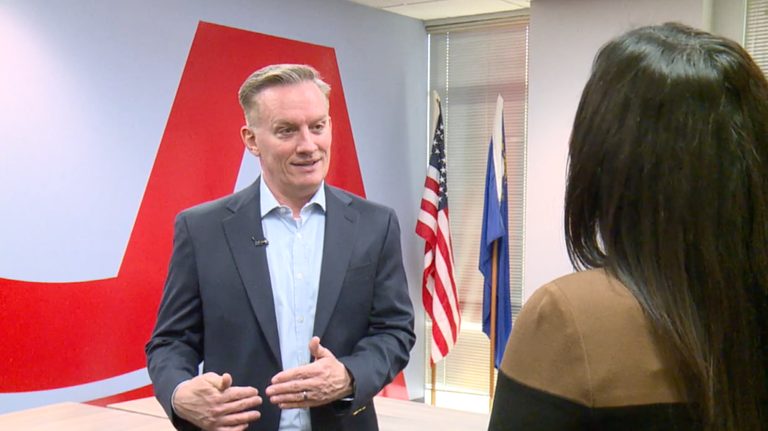
AARP Nevada’s state director, Tod Story, explained that scammers typically convince victims to deposit cash into a kiosk to convert it to cryptocurrency, after which the money disappears. “We want to prevent the crime from occurring by taking out the mechanism for the crime to occur,” Story said.
Story emphasized that the organization is not opposed to cryptocurrency itself, only the kiosk model that facilitates fraud. “Crypto is a currency and people can dabble in that as they wish,” he noted. “We’re talking about strictly the mechanism for separating people’s hard‑earned cash from them in a criminal enterprise.”
High fees and limited utility
In addition to fraud concerns, Story highlighted that kiosk exchange rates often charge fees of 30% to 50%, far higher than online platforms that allow direct purchases at lower cost. “All those things can be done online anyways through legitimate outlets and platforms,” he said.
Legislative support and timeline
The proposed ban enjoys bipartisan backing and could be introduced when the Nevada legislature reconvenes in Carson City in February. If passed, Nevada would join at least 35 other states that have already enacted some form of regulation on crypto kiosks since 2023.
Local impact and community response
Mitchell Gordon, a Henderson veteran who fell victim to a kiosk scam, welcomed the potential legislation. “That’s the best news I ever heard. I hope it goes through. Get them all out of every place. They’re nothing but a pain,” he told reporter Mary Kielar.
While the bill targets the kiosks themselves, Story clarified that legitimate cryptocurrency transactions remain legal and can be conducted safely through regulated online exchanges.
What consumers can do now
The FBI advises consumers to avoid sending money to unknown individuals online, to be wary of callers claiming to be acquaintances requesting cryptocurrency, and to steer clear of kiosks that only require a phone number or email for transactions. If a kiosk operator warns of fraud, users should cancel the transaction immediately.
As Nevada weighs this regulatory step, the focus remains on protecting older Nevadans from predatory schemes while preserving lawful cryptocurrency activity through reputable channels.
Original reporting: KTNV 13 Action News Las Vegas (local) — read the source article.