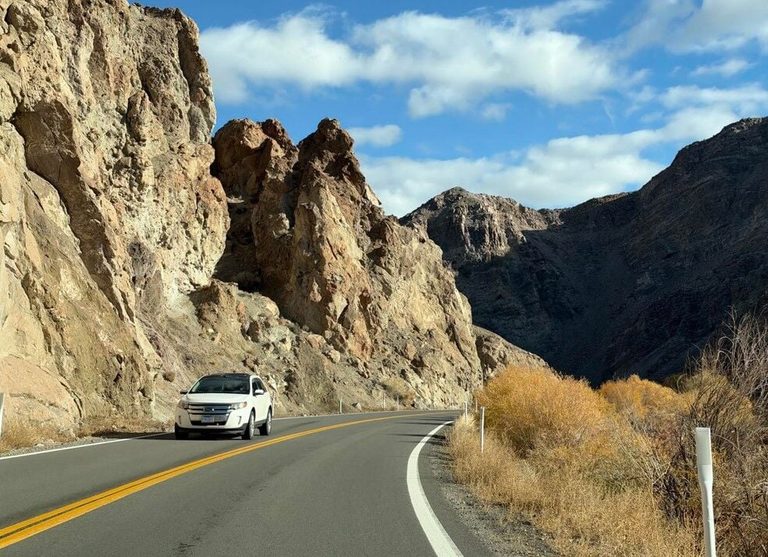
With Thanksgiving and the winter holidays drawing families and friends onto Nevada’s scenic backroads, the Nevada Department of Transportation (NDOT) is reminding motorists that rural routes carry a significantly higher risk of deadly crashes. NDOT’s data shows a 62% increase in crash severity on rural roads compared with more urban corridors, and nearly one‑quarter of all fatal collisions in the state occur on these low‑traffic highways.
Why rural roads demand extra care
Fewer vehicles on the road can create a false sense of safety, but the combination of higher speeds, limited lighting, wildlife, and farm equipment makes rural travel especially hazardous. The agency stresses that the odds of a crash turning fatal rise sharply when drivers ignore basic safety habits.
Pre‑trip preparation
- Allow extra travel time. Winter weather can change quickly, and remote stretches often lack immediate assistance.
- Fill the gas tank. Service stations are spaced far apart in many parts of the state.
- Carry water, snacks, and basic emergency supplies. A roadside emergency kit can make a big difference.
- Check your vehicle. Verify tire tread, brake function, and fluid levels before you leave.
- Never drive impaired. If you plan to celebrate, arrange a designated sober driver in advance.
- Review road conditions. Visit NVRoads.com or dial 511 for real‑time updates on closures, construction, and weather‑related hazards.
Safe driving habits on the road
- Buckle up. Seat belts cut the risk of serious injury by about 50%.
- Observe posted speed limits. Faster speeds reduce reaction time and increase crash severity. Slow down further when conditions are poor.
- Stay focused. Put phones away, avoid distractions, and keep your eyes on the roadway.
- Pass only in marked zones. Head‑on collisions are among the most common rural‑road crashes. Ensure the road is clear before overtaking.
- Maintain a safe following distance. Keep at least a three‑ to six‑second gap, extending it in rain, snow, or low‑visibility conditions.
- Stay in your lane. Keep right when possible and give oncoming traffic ample room.
- Scan continuously. Watch for wildlife, merging vehicles, farm equipment, and slow‑moving trucks.
- Watch for livestock and wildlife. Dawn and dusk are peak times for animal crossings; reduce speed and stay alert.
- Use headlights. Nevada law requires headlights from 30 minutes after sunset until 30 minutes before sunrise, during rain, or whenever visibility is reduced. Daytime running lights can also improve visibility.
- Know your location. Milepost markers help emergency responders locate you quickly if you need assistance.
- Take breaks. Fatigue is a major factor in rural crashes; stop and rest if you feel drowsy.
What the community can do
Families planning holiday trips should discuss these safety steps ahead of time and model responsible driving for younger passengers. Local churches, schools, and civic groups are encouraged to share NDOT’s checklist in newsletters and bulletin boards, reinforcing the message that safe travel protects both loved ones and the broader community.
By following the department’s recommendations, Nevada drivers can enjoy the state’s beautiful winter landscapes while keeping the holiday spirit alive and safe for everyone on the road.
Original reporting: 2news.com — read the source article.