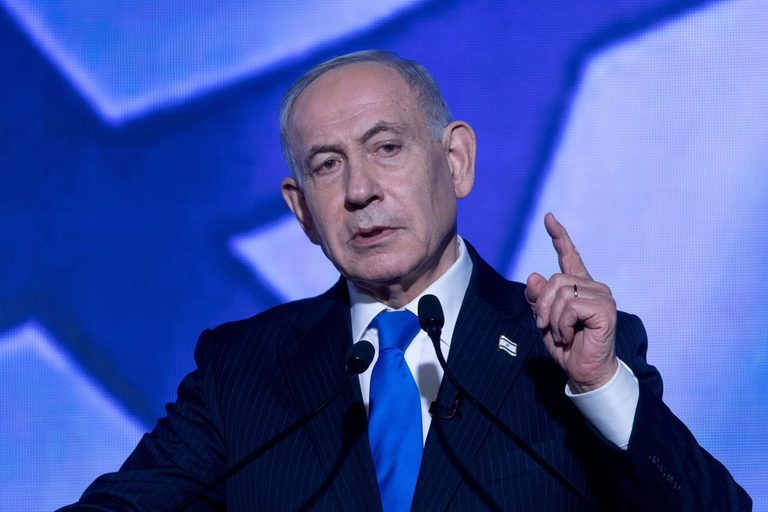
Jerusalem – According to an Israeli source familiar with the matter, Prime Minister Benjamin Netanyahu traveled secretly to the United Arab Emirates on Sunday and met with President Sheikh Mohammed bin Zayed. The source said the agenda was dominated by discussions on Iran, a nation both countries have increasingly coordinated against amid the ongoing Iran war.
Timing and political backdrop
The alleged visit arrives exactly one month before Israel’s scheduled election on Oct. 27, a period already fraught with political controversy. Recent reporting by Haaretz and The New York Times claimed that bin Zayed warned Netanyahu of a major Hamas operation days before the Oct. 7, 2023 attack. While Netanyahu’s office has repeatedly denied receiving any such warning, his rivals have seized on the allegation to question his leadership.
Official responses
The Prime Minister’s Office has not confirmed the trip, and CNN’s request for comment to the UAE foreign ministry went unanswered. Earlier this month, the UAE ministry declined to comment on media speculation about conversations between leaders, but affirmed that “relevant intelligence has been and continues to be communicated between the relevant entities.”
UAE‑Israel security cooperation
Even without a public acknowledgment, the two nations have deepened security ties. During the early days of the Iran war, Netanyahu’s office claimed a “historic breakthrough” after a secret March visit to the UAE, a statement the UAE later called “completely unfounded.” Nonetheless, Israel has reportedly deployed Iron Dome missile‑defense systems to the UAE, and officials say security cooperation has reached unprecedented levels.
Political fallout
Netanyahu’s Likud party has responded by accusing UAE‑based Palestinian politician Mohammed Dahlan of “blatant foreign interference” in Israel’s elections, though no evidence was provided. Opposition figures, including Gadi Eizenkot—currently polling as Netanyahu’s main challenger—have used the alleged warning to criticize the prime minister’s handling of pre‑Oct. 7 intelligence, describing his leadership as “blind, arrogant, and irresponsible.”
What this means for voters
As Israel heads toward a pivotal election, the story underscores the complex web of regional alliances and intelligence sharing that shape national security policy. Voters will likely weigh Netanyahu’s foreign‑policy record, especially his cooperation with Gulf partners against Iran, alongside domestic concerns about accountability for the Oct. 7 tragedy.
While the visit remains unverified, the source’s account adds another layer to the ongoing debate over Israel’s strategic direction and the transparency of its leadership in the lead‑up to the election.
Original reporting: KRDO (Colorado Springs metro) — read the source article.