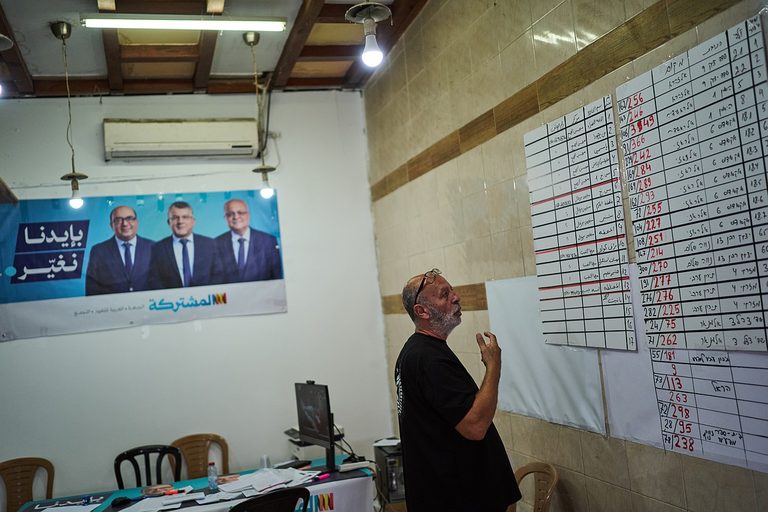
Jerusalem – The recent Israeli election has produced a fragmented Knesset, with Prime Minister Benjamin Netanyahu’s Likud bloc securing 53 of the 120 seats. While Netanyahu remains the incumbent premier, his coalition now falls short of the 61 seats needed for a stable government.
Election Results and Immediate Implications
The official count released early Friday shows the main opposition bloc at 48 seats and Arab‑led parties holding a historic 19 seats. These numbers set the stage for intensive bargaining among parties ranging from ultra‑Orthodox factions to secular and Arab representatives.
President Isaac Herzog is scheduled to receive the certified results next Wednesday and will then task a Knesset member—most likely Netanyahu, given his party’s plurality—to form a new government. Should initial attempts fail, Israel could face another election as early as next year, a scenario Herzog has pledged to avoid.
Netanyahu’s Position and Accusations
In the hours before the final tally, Netanyahu and Likud amplified unverified claims that Arab‑led parties may have benefited from foreign interference, suggesting possible Qatar involvement. While the Shin Bet security service has opened an investigation, its director general, Dean Livne, cautioned that the allegations remain “entirely unfounded” and do not affect the official results.
Netanyahu warned that any coalition with Arab parties could be tantamount to treason, echoing his long‑standing stance against granting political influence to groups he views as hostile to Israel’s security.
Opposition Strategies and Internal Divisions
Opposition leader Avigdor Lieberman, heading a right‑wing faction that split from Netanyahu, has publicly ruled out any partnership with Arab parties, making a coalition to unseat Netanyahu appear unlikely. Conversely, some opposition figures, including Gadi Eisenkot, have hinted at the possibility of working with Arab parties to secure a Knesset speaker position and influence the legislative agenda.
Arab party leaders have condemned the October 7, 2023 Hamas attack but stopped short of labeling Hamas a terrorist organization, a nuance that reflects the delicate balance they seek between condemnation and political participation.
Potential Coalition Scenarios
Analysts note several possible outcomes:
- Netanyahu‑Likud Unity Government: A broad coalition that includes moderate right‑wing parties could keep Netanyahu in power, though it would require concessions on policy and ministerial appointments.
- Opposition‑Arab Alliance: If opposition parties join forces with Arab‑led groups, they could control the Knesset agenda and possibly elect a new speaker, but this would face staunch resistance from Lieberman and other right‑wing leaders.
- New Election: Failure to form any viable coalition would trigger a snap election, extending political uncertainty and potentially weakening Israel’s position on regional security matters.
Community Reactions
Across Israel, citizens have taken to the streets expressing both wariness of Arab participation and calls for inclusive governance. Residents of Jaffa, for example, voiced support for cooperation with Arab parties, describing them as a legitimate part of the state’s population.
Meanwhile, former mayor Issa Jaber Abu‑Ghosh criticized the nation’s democratic claims, arguing that true democracy cannot exist while political power remains divided along ethnic lines.
Looking Ahead
With the Knesset set to convene on November 10, the next few weeks will be crucial in determining Israel’s political direction. Netanyahu’s ongoing corruption trial and the pending inquiry into the October 7 security failures add further pressure on his leadership.
The international community watches closely, recognizing that Israel’s internal stability has broader implications for regional security and U.S. strategic interests.
Original reporting: Texarkana Gazette — read the source article.