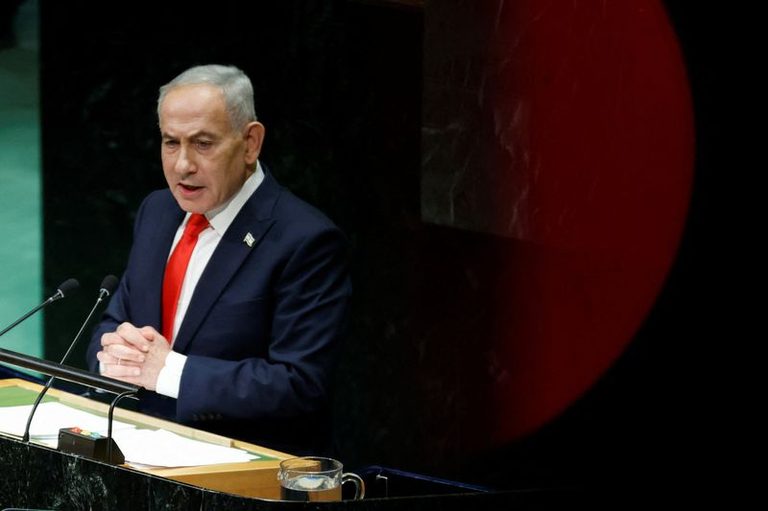
Israeli Prime Minister Benjamin Netanyahu visited Abu Dhabi on Sunday, meeting directly with United Arab Emirates President Sheikh Mohammed bin Zayed Al Nahyan, a senior Israeli official confirmed to Reuters. The encounter highlights the deepening relationship between Israel and the UAE that began with the 2020 Abraham Accords.
Context of the visit
The meeting comes amid ongoing regional security concerns. Earlier this month, Israeli newspaper Haaretz reported that Sheikh Mohammed had warned Netanyahu about a planned Hamas operation a week and a half before the October 7, 2023 attack. The newspaper said the warning was not relayed to Israeli intelligence or the military. Netanyahu has denied the report and indicated he may pursue legal action against the outlet.
While the UAE has not commented on the Haaretz claim, it reiterated that the two nations have maintained “open and direct lines of communication” since establishing diplomatic relations in 2020. A UAE source previously told Reuters that security discussions are typically handled through relevant entities rather than at the level of national leaders.
Previous encounters
Earlier this year, the UAE denied that President Sheikh Mohammed met with Netanyahu after the Israeli prime minister’s office claimed a “secret” visit to the Gulf nation in May. At that time, a source familiar with the meeting said Netanyahu and Sheikh Mohammed met in Al‑Ain, an oasis city in Abu Dhabi near the Oman border, on March 26.
Strategic implications
Since the Abraham Accords, the UAE has positioned its partnership with Israel as a strategic lever for regional influence and a conduit to Washington. Strengthened ties have allowed the UAE to coordinate more closely with the United States and Israel on security matters, particularly as tensions with Iran continue to shape the Middle East landscape.
Both leaders emphasized the importance of cooperation in counter‑terrorism and stability across the region. The meeting is expected to reinforce existing channels for intelligence sharing and joint diplomatic initiatives, further solidifying the UAE’s role as a key ally for Israel in the Gulf.
Domestic reactions
Back in Israel, Netanyahu faces a challenging reelection campaign. Opposition leaders have criticized the prime minister for alleged security lapses preceding the October 7 attack. The recent visit to Abu Dhabi may serve to demonstrate Netanyahu’s active engagement in foreign policy and his commitment to securing strategic partnerships.
UAE officials, while declining to comment on the specific content of the meeting, reaffirmed the ongoing “open and direct lines of communication” that have been a hallmark of the bilateral relationship since 2020.
Looking ahead
The Netanyahu‑Mohammed meeting underscores the durability of the Abraham Accords and the broader trend of Gulf states normalizing ties with Israel. As regional dynamics evolve, the partnership is likely to play an increasingly prominent role in shaping diplomatic and security outcomes across the Middle East.
Original reporting: Appleton, WI News Feed (HLL/CB) — read the source article.