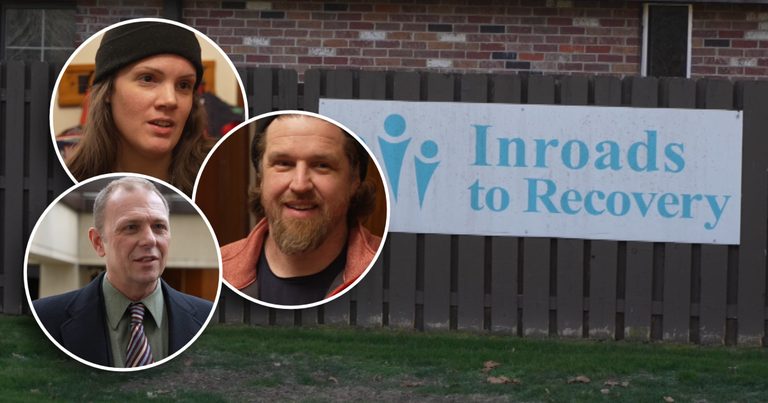
Omaha, Neb. – A local mental health and substance‑abuse treatment center is at the center of a neighborhood debate as it seeks to expand its capacity from 10 to 24 residents. Inroads to Recovery, located off 75th Avenue and Maple Street, provides recovery services for individuals struggling with addiction, but its proposed growth has sparked both support and opposition among nearby families.
Opposition rooted in residential concerns
Long‑time resident Dustin Sudduth voiced strong reservations about the expansion. “I just don’t feel like a facility like this belongs in a residential neighborhood,” he said. Sudduth, who lives a short distance from the center, worries that a larger facility would increase traffic, emergency‑vehicle activity, and noise during early‑morning hours. “Too many ambulances and fire trucks at 2 o’clock in the morning, people going for walks down the street, and there are no sidewalks in the neighborhood,” he added. “There’s 12 people walking down the street – that’s a traffic hazard.”
Sudduth also argued that a facility of this size would be better situated on a hospital campus rather than a quiet residential block. His concerns echo a broader sentiment among some neighbors who fear that the expansion could alter the character of their community.
Supporters highlight community benefit
Other residents, however, see the expansion as a positive development for the area. Taylor Bass, a parent of four, expressed enthusiasm: “I think it’s a great idea. Why not help more people than they were already helping?” His partner, Zach Bass, has a personal connection to the program; his brother previously completed treatment at Inroads. “I don’t think it’s going to have any impact,” Zach said, “that would be like me saying, ‘I don’t want that new neighbor.’ I don’t know them.” He framed the expansion as an opportunity for additional families to find healing and stability.
City Council’s role and the special‑use permit
The controversy follows a recent Omaha City Council decision to approve a major amendment to the special‑use permit governing Inroads to Recovery. The amendment would allow the center to increase its maximum occupancy, effectively doubling the number of individuals it can serve. Council members cited the growing need for addiction‑treatment resources in the region and the center’s track record of successful recoveries.
While the council’s vote reflects a commitment to expanding treatment options, it also underscores the delicate balance municipal officials must strike between public‑health needs and neighborhood quality‑of‑life concerns. The council’s action demonstrates the city‑government process at work: a public hearing, community input, and a final vote on a zoning amendment.
What’s next for the program?
Inroads to Recovery plans to move forward with the expansion pending any further legal challenges or additional community feedback. The organization emphasizes that the additional beds will be filled by individuals who meet strict eligibility criteria and will receive comprehensive counseling, medical oversight, and after‑care support.
Opponents, led by Sudduth, have indicated they will continue to monitor the situation and raise concerns as they arise. “We’ll keep speaking up if we see problems,” Sudduth said.
Broader context
The debate in Omaha reflects a national conversation about how best to locate addiction‑treatment facilities. Pro‑treatment advocates argue that expanding access is essential to combat the opioid crisis and related substance‑abuse challenges. Critics often focus on perceived impacts on property values, traffic safety, and neighborhood cohesion.
For Omaha families, the outcome will affect both the availability of vital recovery services and the day‑to‑day experience of living near a growing treatment center. As the city‑government process continues, residents on both sides of the issue will be watching closely.
Original reporting: KMTV 3 News Now (Scripps) – local — read the source article.