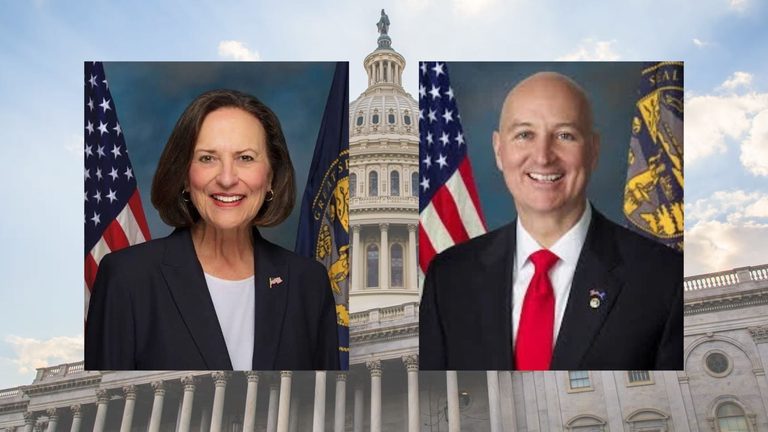
Lincoln, Neb. – On September 28, the United States Senate voted 77‑22 to pass the Protect College Sports Act, a bipartisan measure aimed at establishing a clear federal framework for name, image and likeness (NIL) agreements involving college student‑athletes. The legislation, introduced by Sen. Ted Cruz of Texas on June 2, was co‑sponsored by Nebraska’s own Sen. Pete Ricketts.
What the bill does
The Protect College Sports Act seeks to bring stability to the rapidly evolving NIL landscape by creating a uniform set of rules that apply to all colleges and universities. It also grants a limited antitrust exemption to the NCAA and its member schools, allowing them to coordinate certain aspects of NIL activities without violating competition law.
Nebraska’s leadership on the issue
Sen. Ricketts, a longtime advocate for preserving the integrity of college athletics, said he is proud to support the bill. “College sports are one of Nebraska’s greatest traditions,” he said. “I am proud to support this bill to protect opportunities for our student‑athletes. This bill helps to stabilize the current chaotic state of name, image, and likeness regulations. Senate Republicans and Democrats worked together to solve a problem affecting student‑athletes, schools, and everyone who enjoys watching college sports. Our young women and men deserve a fair and organized experience. This bill is an important step in the right direction and will preserve the great collegiate sports tradition for generations to come.”
Sen. Deb Fischer, also voting in favor, called the legislation a win for college athletes. “This legislation is a win for student athletes, reflecting bipartisan recognition that action was needed to address challenges facing college sports,” she said. “I am thankful Chairman Cruz and Ranking Member Cantwell worked with me to strengthen language preventing super leagues and appreciate the support of the University of Nebraska throughout this process.”
Why the bill matters
Since the Supreme Court’s 2021 decision allowing athletes to profit from their NIL, colleges have struggled with a patchwork of state laws and institutional policies. The lack of consistency has created confusion for athletes, coaches, compliance officers and fans alike. By providing a single federal standard, the Protect College Sports Act aims to reduce legal uncertainty, protect the amateur spirit of college competition, and ensure that student‑athletes receive fair compensation for the use of their likenesses.
National implications
While the bill enjoys strong support from Nebraska’s delegation, it also reflects a broader bipartisan consensus that federal guidance is needed. Lawmakers from both parties have expressed concern that without a national framework, the NIL market could become a chaotic free‑for‑all, potentially undermining the educational mission of colleges and the competitive balance of intercollegiate sports.
The Senate’s approval sends the bill to the House of Representatives, where it will face further debate. If enacted, the Protect College Sports Act would mark the first comprehensive federal regulation of NIL, setting a precedent for future legislation affecting college athletics nationwide.
Local reaction
University of Nebraska officials welcomed the vote, noting that a clear NIL policy would help the school attract top talent while maintaining compliance with NCAA rules. Local high school coaches and parents also voiced optimism, saying the bill could provide a more predictable path for young athletes aspiring to compete at the collegiate level.
As the legislation moves forward, Nebraska’s senators say they will continue to monitor its progress and work with colleagues to ensure the final law reflects the values of fairness, tradition, and opportunity that define the state’s beloved college sports culture.
Original reporting: KLKN-TV – News, Weather and Sports for Lincoln, Nebraska — read the source article.