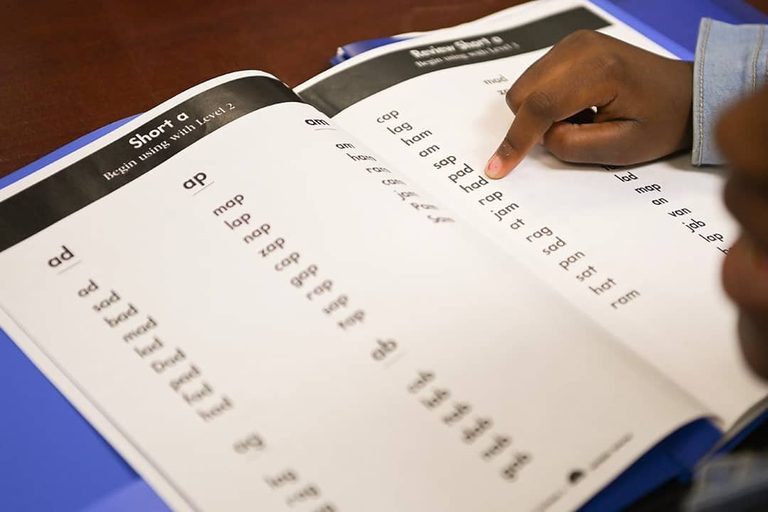
A recent report from the Fordham Institute, an education‑reform nonprofit, reveals that roughly one‑third of K‑3 teachers across the United States continue to rely on reading practices that many experts consider discredited. The survey, conducted in the fall of 2025 with more than 1,200 educators, found that 30% do not favor phonics—the cornerstone of the science of reading that teaches children how letters represent sounds and how to blend those sounds together.
Phonics vs. Cueing: The Current Divide
While about half of the teachers surveyed reported using a structured approach that includes phonics, decoding, and related skills, nearly one‑third still employ a “balanced approach.” This method asks students to guess unfamiliar words from context clues or pictures—a practice known as cueing, which several states have banned.
Only 2% of respondents said they preferred cueing over phonics, but the persistence of mixed methods raises concerns among researchers. The report notes that teachers in low‑income schools are 9 to 15 percentage points less likely to embrace the science of reading compared with those in more affluent districts.
Impact on Low‑Income and Majority‑Nonwhite Schools
The disparity is most pronounced in high‑poverty, majority‑nonwhite schools, where teachers are, on average, less informed about and less committed to the basic principles of the science of reading. Researchers warn that this gap could have “dire consequences” for students who already face socioeconomic challenges.
David Griffith, a co‑author of the study, emphasized that “almost every literate person I’ve ever met remembers getting phonics.” He argued that without solid decoding skills, children struggle to become proficient readers, which in turn hampers learning in all other subjects.
Teacher Concerns and the Call for Balance
Some teachers expressed worries that an exclusive focus on phonics might diminish instruction in comprehension, vocabulary, and exposure to rich literature. One educator noted, “the pendulum swings like political winds. Let us teach.” Others pointed out that the shift toward phonics has led to more nonfiction texts at the expense of classic literature.
Despite these concerns, many teachers reported that the increased emphasis on phonics has made students “happier learners” because they experience less frustration when reading.
State Legislation and Ongoing Debates
As of March 2026, 42 states and Washington, D.C., have enacted laws mandating the use of the science of reading in schools. Yet the report indicates that implementation remains uneven, with teachers receiving varying levels of professional development. Those who completed science‑of‑reading training demonstrated a better grasp of evidence‑based practices than peers who relied solely on their initial teacher‑preparation programs.
Griffith attributed much of the inconsistency to the “chaotic information environment” teachers navigate—conflicting messages from veteran colleagues, curricula, and think‑tank publications. He also highlighted high teacher turnover in high‑poverty schools as a factor that hinders sustained instructional improvement.
Looking Ahead
The findings suggest that while progress has been made, a substantial portion of early‑grade educators remain hesitant or insufficiently informed about the most effective reading instruction methods. Addressing this gap will likely require clearer guidance from state policymakers, more consistent professional development, and continued dialogue among educators, parents, and community leaders.
Original reporting: El Paso News (HLL/CB) — read the source article.