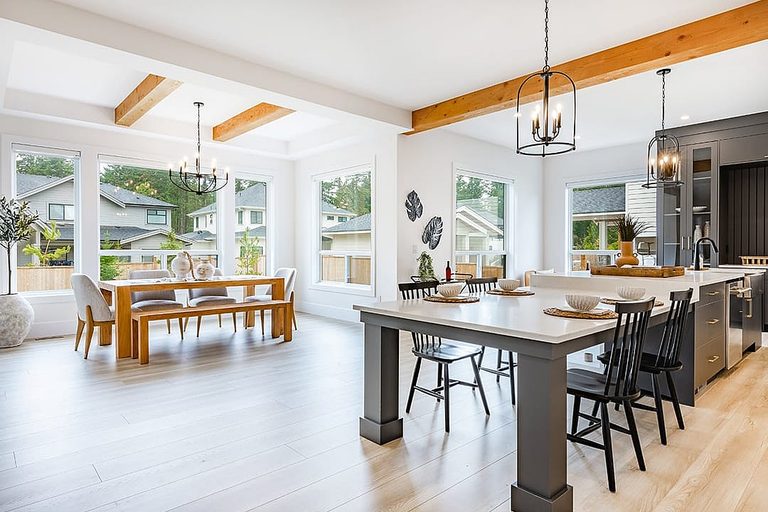
Homeowners across the country are discovering that letting the sun into their living spaces does more than brighten a room – it can lower utility bills and support family health. Reece Windows & Doors, a Florida‑based window manufacturer, explains how modern design strategies combine natural light with energy performance.
Daylight reduces reliance on artificial lighting
Artificial lighting typically accounts for 5%–10% of a household’s electricity consumption. When daylight floods a home during the day, that portion of the load disappears, shaving a few percentage points off the overall energy bill. The savings may seem modest, but they add up over time, especially for families seeking to keep costs down.
Passive solar heating benefits winter comfort
Sunlight carries solar radiation that converts to thermal energy when it strikes interior surfaces such as concrete, tile or drywall. South‑facing homes built with passive‑solar principles capture low‑angle winter sun, warming interior spaces without turning on the furnace. Residents report a cozier environment and reduced heating expenses.
Managing summer heat with modern glazing
In hot weather, especially when temperatures climb to 100°F, the same sunlight can become a source of overheating. Low‑emissivity (low‑E) glass and energy‑efficient window treatments help block excess heat while still admitting daylight. Properly designed overhangs shade high summer sun, allowing families to enjoy bright interiors without uncomfortable heat.
Health advantages of daily sunlight
Beyond energy savings, exposure to natural light aligns with the body’s circadian rhythm. Early‑day sunlight suppresses melatonin, boosting alertness and executive function. Studies cited by Reece note lower rates of depressive symptoms and burnout among people who work in naturally lit environments. Regular daylight also improves sleep quality, reduces eye strain, strengthens bones and helps ward off Seasonal Affective Disorder.
Design features that maximize daylight
Architects and remodelers are turning to floor‑to‑ceiling and corner windows, wide sliding glass doors, skylights, roof lanterns and light tubes. Light tubes channel sunlight into interior rooms that lack exterior walls, such as bathrooms or hallways. In the Northern Hemisphere, orienting the main living spaces toward the south and positioning the house on an east‑west axis captures the most winter sun while overhangs protect against summer glare.
Simple interior tricks
Inside the home, light‑colored walls, reflective surfaces and strategically placed mirrors bounce daylight deeper into rooms, reducing the need for artificial lighting. Open‑plan layouts allow light to travel unhindered, further enhancing energy efficiency.
Why families should consider daylight‑focused upgrades
When a home welcomes abundant natural light, it feels more welcoming and spacious – qualities that many families value for both living and remote work. The combined benefits of lower utility costs, improved comfort and measurable health gains make daylight‑centric design a worthwhile investment for homeowners seeking to create healthier, more economical living spaces.
Reece Windows & Doors continues to promote these design principles, encouraging homeowners to view sunlight as a free, renewable resource that supports both the family’s budget and well‑being.
Original reporting: El Paso News (HLL/CB) — read the source article.