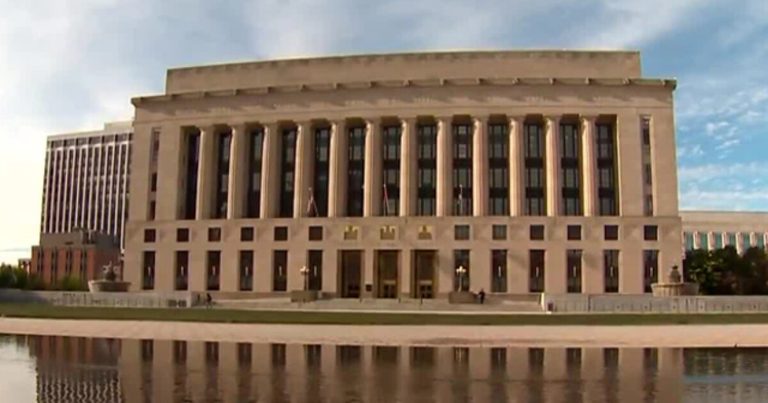
The Nashville Metro Council is scheduled to convene Friday afternoon to address the implications of a recent Tennessee Supreme Court ruling that upholds a 2023 state law capping the size of city councils and county commissions at 20 members. Currently, the Metro Council operates with 40 members, making it one of the largest municipal governing bodies in the nation.
Background on the legislation
In 2023, the Tennessee General Assembly passed a law intended to standardize the size of local legislative bodies across the state. The statute does not specifically name Metro Nashville, but its language applies to any city or county commission exceeding the 20‑member limit. Critics have argued that the law was crafted to target Nashville’s unusually large council, which they claim creates inefficiencies and higher costs for taxpayers.
Legal challenge and court decision
Metro Nashville, joined by a coalition of local residents, filed a lawsuit challenging the law on constitutional grounds, asserting that it violated provisions of the Tennessee Constitution concerning local self‑government. The case progressed through the state courts and ultimately reached the Tennessee Supreme Court. In its decision, the court affirmed the lower court’s ruling that the law is constitutional and must be applied to Nashville.
What the council will discuss
During the Friday meeting, scheduled for 4 p.m. at the Metro Courthouse, council members will review potential responses to the ruling. Options under consideration include:
- Developing a phased plan to reduce the council to 20 members while preserving effective representation.
- Exploring legal avenues for a further appeal or seeking a legislative amendment.
- Engaging the public to gather input on how best to maintain neighborhood voices under the new structure.
Council leadership emphasized the importance of transparency and encouraged residents to attend the meeting and share their perspectives.
Impact on Nashville residents
If the council’s size is reduced, each remaining council member will represent a larger portion of the city’s population. Proponents of the law argue that a smaller council can streamline decision‑making and reduce administrative expenses. Opponents warn that fewer seats could dilute neighborhood representation and make it harder for citizens to access their elected officials.
Community response
Local neighborhood groups have expressed concern that the ruling could limit direct access to council members, especially in historically under‑served areas. Some residents plan to voice their concerns at the upcoming meeting, while others are organizing informational sessions to explain the potential changes to their communities.
Next steps
The council’s deliberations on Friday will set the tone for how Nashville navigates this significant shift in its governance structure. Following the meeting, a summary of the discussion and any decisions made will be posted on the Metro Council’s website, and further public hearings may be scheduled to ensure ongoing community involvement.
Original reporting: NewsChannel 5 WTVF (Scripps) – local — read the source article.