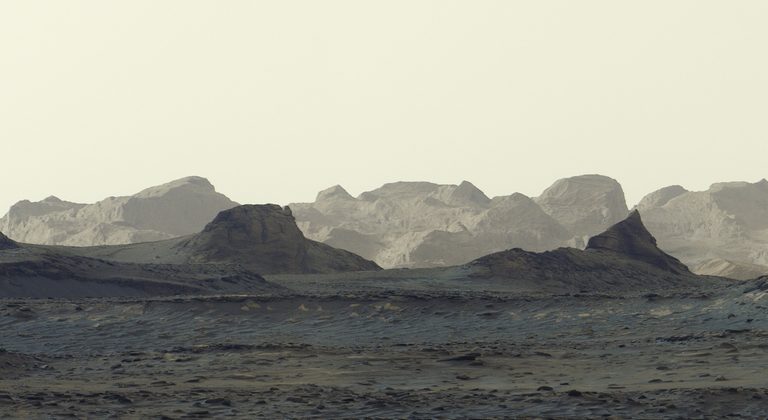
NASA’s Curiosity rover has finally reached the long‑awaited yardang cliffs on Mars, sending back a vivid, un‑white‑balanced panorama that highlights the striking blue‑hued morning light on the wind‑sculpted formations. The image was captured at 8:30 a.m. local Mars time on August 11, marking the culmination of a more‑than‑14‑year ascent of Mount Sharp.
Why the cliffs matter
The yardang layer stretches roughly 10 miles (16 kilometers) across the northwestern flank of the 3‑mile‑tall (5‑kilometer‑tall) mountain. Scientists have long been curious about the odd coloration, tilted layers and apparent “plaster‑on” appearance of the formation. Project scientist Ashwin Vasavada of NASA’s Jet Propulsion Laboratory explained, “The yardang layer looks out of place. It’s the wrong color, the layers tilt at an odd angle, and it almost appears plastered on. But that’s what makes it exciting to reach.”
One leading hypothesis is that the layer may consist of ash deposited by ancient volcanic eruptions, though the exact origin remains uncertain.
What’s next for Curiosity
Curiosity is now in the second year of its fifth extended mission, which began with an exploration of spider‑web‑like boxwork ridges. Over the next year, the rover will continue driving through strata rich in sulfates and carbonates—minerals that signal ancient drying conditions on the Martian surface.
NASA’s Jet Propulsion Laboratory says that by sometime in 2027 the team hopes to reach the base of the yardangs. There, Curiosity will use its robotic arm to collect unprecedented data on these mysterious features, potentially shedding light on Mars’ geological history and its past habitability.
Broader significance
The new imagery not only satisfies a long‑standing scientific curiosity but also demonstrates the enduring value of NASA’s planetary exploration program. As the rover pushes deeper into the ancient layers of Mount Sharp, each discovery brings humanity a step closer to understanding whether Mars ever supported life.
Original reporting: KTBS 3 (Shreveport) — read the source article.