NASA Administrator Jared Isaacman told reporters on Monday that the agency has approved a $359 million package to modify the Starliner capsule and certify United Launch Alliance’s upcoming Vulcan Centaur launch vehicle for crewed missions. The changes are intended to address lingering thruster problems that plagued the 2024 test flight.
Uncrewed test slated for December
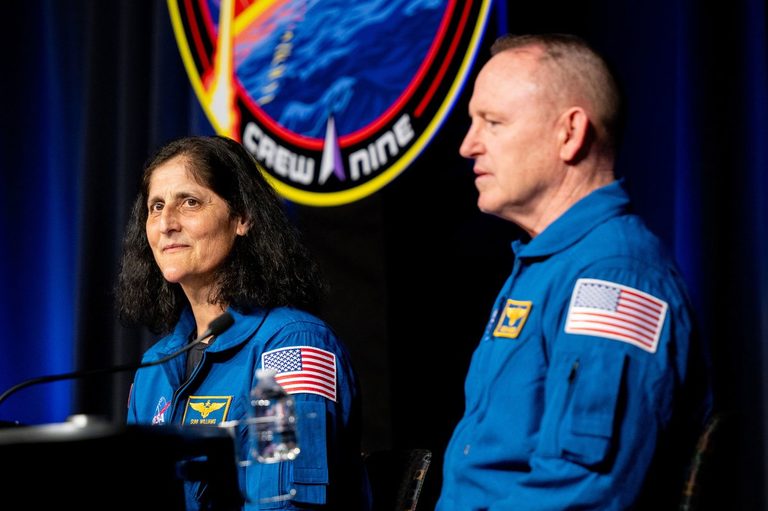
Isaacman said the next Starliner flight will be uncrewed and will not launch before December 2024. If the test meets expectations, the agency hopes to put a crew aboard the capsule as early as mid‑2028. The schedule reflects NASA’s desire to restore reliable, U.S.‑based access to the International Space Station after the problematic 2024 mission that left astronauts Suni Williams and Butch Wilmore in orbit for more than nine months.
New launch vehicle needed
Because the Atlas rockets that previously carried Starliner are being retired, NASA is working with Boeing and United Launch Alliance to certify the Vulcan Centaur as a crew‑launch system. The agency expects the new rocket to replace the Atlas for future Starliner flights, ensuring a domestic launch capability that does not rely on foreign partners.
Funding and contract context
The $359 million upgrade is in addition to the existing contracts NASA has with Boeing ($4.82 billion for four flights) and SpaceX ($5.92 billion for a demonstration mission and 17 operational flights). Earlier this month NASA also purchased three additional Crew‑Dragon missions for $946 million as it transitions toward the retirement of SpaceX’s Dragon capsule in favor of the Starship system.
SpaceX President and COO Gwynne Shotwell has confirmed that Dragon will be phased out in the 2030s, but she noted that Boeing has received more payment for its human‑capsule development than SpaceX has for Dragon. Shotwell said, “We’re just going to let them have some business,” acknowledging the competitive environment.
Leadership for the next crewed mission
NASA astronaut Woody Hoburg was announced as commander of the upcoming crewed Starliner flight. Hoburg praised the professionalism of Williams and Wilmore during the 2024 incident and warned that the root cause of the earlier failures lay in inadequate systems engineering and hardware qualification. He emphasized that the thruster issues were present before launch and should have been caught during ground testing.
Safety classification and historical context
Isaacman recently re‑classified the 2024 test flight as a “Type A mishap,” a designation used for incidents causing over $2 million in damage, loss of vehicle control, or loss of life. The Columbia and Challenger shuttle disasters were also classified as Type A incidents, underscoring the seriousness with which NASA now treats the Starliner program.
The agency’s roadmap aims to restore confidence in American crew‑capsule capability, reduce reliance on foreign launch services, and preserve the taxpayer investment already made in Starliner. By addressing design flaws, securing a new launch vehicle, and setting a clear timeline for crewed flights, NASA hopes to keep low‑Earth‑orbit access reliable and affordable for the nation.
Original reporting: KRDO (Colorado Springs metro) — read the source article.