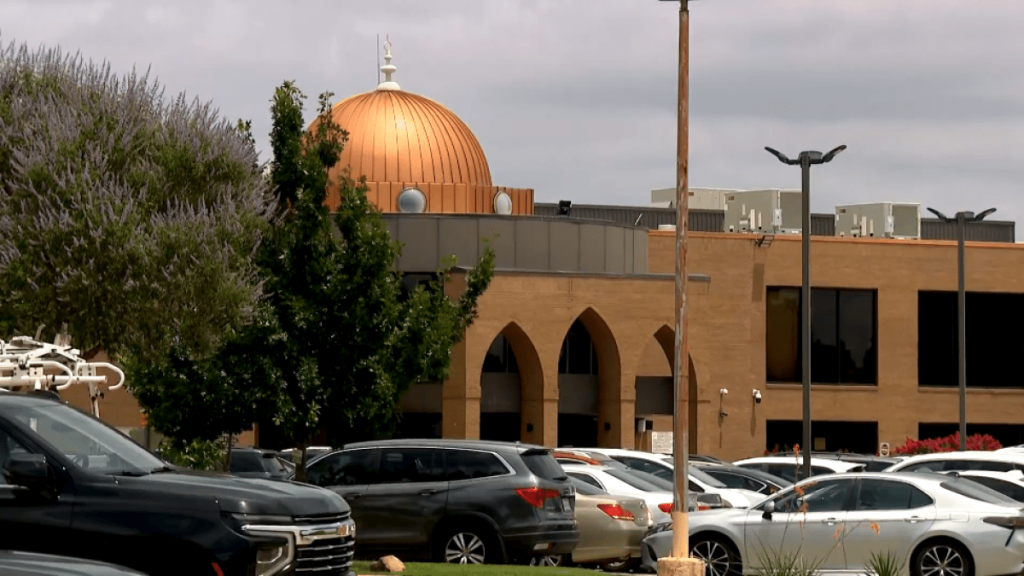
North Texas Muslim leaders, including Omair Siddiqi and Mustafaa Carroll of CAIR DFW, are responding to a deadly shooting at an Islamic center in San Diego that left three people dead, including a security guard who confronted the attacker; leaders across the region say the attack has sharpened concerns about safety at mosques and other places of worship and prompted plans for a press conference and renewed security reviews across the Dallas-Fort Worth area.
Leaders in North Texas say the San Diego attack has made security a front-of-mind issue for congregations and families. Many mosques and Islamic centers have been checking cameras, rehearsing protocols, and talking about how to keep kids and worshippers safe without making worship feel like a fortress. The community reaction is a blend of vigilance and the hope that practical steps can reduce risks.
Omair Siddiqi, a community leader, pointed to the critical role a guard played in San Diego and why local centers are listening closely to lessons learned there. “If it wasn’t for that security guard, [the gunmen] would have had easy access to the school,” he said, and that warning is pushing local leaders to rethink access points and training. The emphasis now is on realistic, affordable security measures that small congregations can adopt right away.
Siddiqi also reminded people that the ripple effects of one attack go beyond any single faith community and can change how everyone approaches worship. “Not only Muslims and mosques, but other places of worship,” he said. “[They] need to make sure their security is intact, that they have protocols, security guards to make sure they’re protecting themselves and the places of worship.”
Across North Texas, visible security measures are already more common, from locked exterior doors to volunteers stationed during peak hours. Mustafaa Carroll, executive director of CAIR’s Dallas-Fort Worth chapter, said steady attention to safety has been a feature of many local mosques for years. “Fortunately, the people in San Diego did have security,” Carroll said. “I know many of the mosques here have security, but I’m saying we can always get better at it.”
CAIR DFW has scheduled a Thursday morning press conference to address the shooting in San Diego and to express solidarity with the victims and their families. The group also plans to discuss another shooting under investigation in Dallas that involves a member of the Muslim community, and local outlets have sought comment from Dallas police about that separate incident. The goal of the event is to combine grief, advocacy, and practical guidance into a single public moment.
Carroll says the organization will use the conference to press for a reduction in hateful rhetoric and for stronger communal ties across faiths and neighborhoods. “We’re going to ask Texans to do something that our leaders are not doing,” Carroll said. “We need to come together as a unified Texas and learn more from each other and stop the foolishness.” The ask is both moral and practical: better public language, better interfaith outreach, and more support for local security needs.
Despite the fear those attacks inspire, leaders emphasize that North Texas is also seeing significant support from neighbors who are not Muslim. “We have to acknowledge that because if not, you just start thinking everyone’s out to get you, and that’s not true,” Carroll said, framing the kindness shown as a counterweight to fear. Siddiqi noted that online messages and personal check-ins have helped steady folks who might otherwise retreat from public worship.
Siddiqi stressed that community reassurance matters almost as much as cameras and guards for keeping people connected and brave. “You don’t really see a lot of kindness and the things, and there’s a lot of that,” he said, pointing to the small acts that add up. Leaders in North Texas say they will keep pushing for both stronger protective measures and stronger relationships with neighbors so worship can remain safe and open.