Alabama is now racing toward a June 16 runoff to pick a Republican to replace Sen. Tommy Tuberville after he announced a run for governor, and the field narrowed to Rep. Barry Moore and former Navy SEAL Jared Hudson. The contest will test President Donald Trump’s influence as Moore carries his endorsement, while Attorney General Steve Marshall, who had early name recognition and a recent redistricting move, fell short. On the Democratic side, Everett Wess and Dakarai Larriett are headed to their own runoff to determine who meets the eventual Republican nominee. The outcome in Alabama will shape the Senate map and offer another look at how endorsements and conservative credentials play in a deeply red state.
The primary set off once Tuberville decided to pursue the governor’s mansion, opening a wide GOP field that required a majority to avoid a runoff. Moore and Hudson emerged from that crowded lineup, forcing another head-to-head on June 16. In Alabama, runoffs matter more than in many states because a single extra week can change the dynamics of fundraising, endorsements, and turnout strategies.
Barry Moore brings a pedigree that appeals to the Republican base in Alabama, framed around fiscal conservatism and a steadfast alignment with President Trump. Moore’s allies point to his record in the House and his work with the House Freedom Caucus as proof he will push conservative priorities in the Senate. Moore also highlights a long history of support for Trump; he was the first elected official to back Trump in 2015, a fact that still resonates with voters who prize early loyalty.
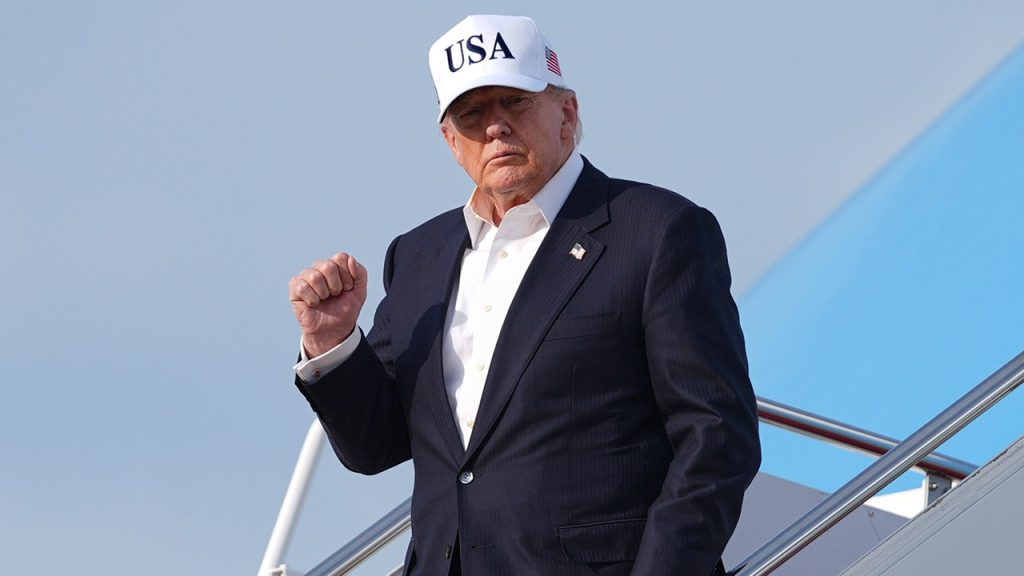
President Trump reasserted his backing for Moore during a recent tele-rally, offering a forceful endorsement the campaign can use in ads and stump speeches. Trump said during the rally, “He’s a true America First Patriot who’s been with me from the very beginning.” That phrase lands well with primary voters who prioritize national security, border policy, and a populist economic message tied to the America First agenda.
Moore’s own pitch leans on protecting liberty and supporting the president, themes that play well with Alabama conservatives who want a senator who will stand up to Washington. As Moore put it, “I think my number one job is to protect the people’s liberty and to support the president in that process,” offering a direct rationale for a campaign framed around defending conservative principles. His messaging is straightforward: keep the momentum of the Trump-aligned movement alive and translate it into legislative wins for Alabama.
Jared Hudson, a former Navy SEAL, positions himself with a different but complementary set of strengths: military service and a candidate image that speaks to duty and toughness. Hudson’s narrow advance to the runoff came in a close race where name recognition and late-counted ballots reshaped the leaderboard. That narrowness may prove both an asset and a liability as he and Moore move into a runoff that will force voters to choose between two distinct conservative profiles.
Steve Marshall, the state’s attorney general since 2017, entered the race with significant visibility and the institutional backing that comes from leading the state’s legal office. Marshall made headlines by pushing a federal court to apply the Supreme Court’s redistricting guidance in a way that could have affected primary maps, a move that underscored his willingness to litigate and assert state interests. Despite that activity and higher name ID, Marshall fell short of the top two spots, showing how crowded primaries can split established support.
On the Democratic side, Everett Wess and Dakarai Larriett are headed for a separate runoff to decide who will face the Republican winner in the general election. Democrats in Alabama face an uphill climb, but their runoff will determine who can consolidate party resources and try to mount a stronger challenge. The outcome on both sides will hinge on turnout patterns, early voting habits, and whether national attention arrives to sway donors and volunteers.
The June 16 runoff will be a tight, high-stakes test of messaging, endorsements, and organizational skill across Alabama’s Republican electorate. Moore will lean on Trump’s endorsement and his record in Washington, while Hudson will emphasize his military background and outsider appeal. Voters in Alabama will ultimately weigh loyalty, conservative credentials, and the ability to win in November as they choose a senator to replace Tommy Tuberville.