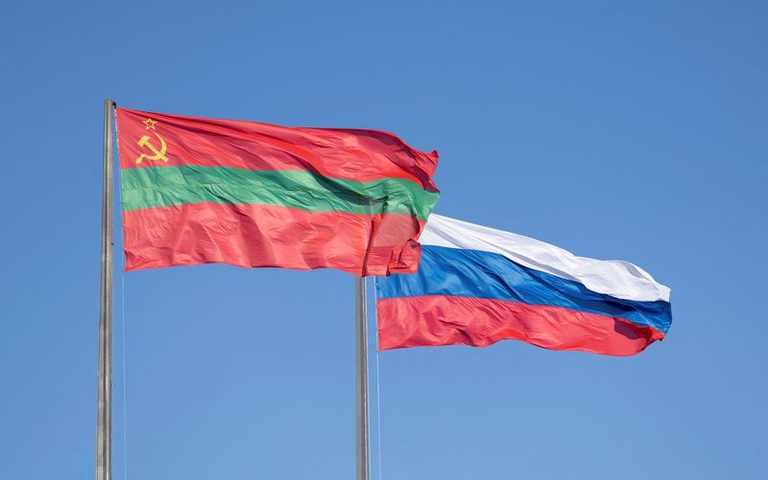
Chisinau – Moldova’s pro‑Western government has formally protested Russia’s intention to establish fifteen polling stations for Russian nationals in the disputed Transdniestria region ahead of Russia’s parliamentary election on Sunday. The Moldovan foreign ministry called the plan “unacceptable and hostile,” summoning Russian ambassador Oleg Ozerov to the Foreign Ministry for explanations.
Background on the voting proposal
Moscow asserts that roughly 220,000 residents of Transdniestria hold Russian passports and therefore deserve the opportunity to vote for the State Duma. The Russian foreign ministry spokeswoman Maria Zakharova responded to Chisinau’s objections by urging Moldova to abandon its resistance, describing the objections as contrary to “democracy, international law and common sense.”
Moldova’s stance
Chisinau, which aims to join the European Union by 2030 and has repeatedly condemned Russia’s war in Ukraine, maintains that voting for Russian elections should be limited to a single polling station at the Russian embassy in the capital. Moldovan Foreign Minister Mihail Popsoi told Moscow not to interfere with Moldova’s plans for the peaceful reintegration of the breakaway territory.
The Moldovan authorities also disputed the Russian claim that 220,000 people in Transdniestria hold Russian passports, arguing that the figure is inflated and that the region remains under Moldovan sovereignty despite the presence of a Russian military contingent of about 1,500 troops, which Russia sometimes describes as peacekeepers.
Russia’s previous election activity in the region
In the 2021 parliamentary election, Russian officials opened 27 polling stations in Transdniestria, allowing more than 59,000 voters to cast ballots. That election saw 76.2% of those voters support United Russia, the party of President Vladimir Putin.
International context
Transdniestria is not internationally recognized as an independent state, and even Russia does not formally acknowledge its sovereignty. The ongoing diplomatic dispute underscores the broader tension between Moscow’s efforts to project influence in former Soviet territories and the West‑aligned governments seeking to limit that reach.
What comes next?
Both sides have indicated they will continue diplomatic engagement. Moldova plans to monitor the situation closely and has warned that any attempt to conduct voting in the region without its consent would be deemed a violation of its territorial integrity. Russia, for its part, appears prepared to proceed with the polling stations unless the Moldovan government formally withdraws its objections.
As the Russian State Duma election approaches, the episode highlights the fragile balance of power in Eastern Europe and the challenges faced by small nations navigating between larger geopolitical forces.
Original reporting: Appleton, WI News Feed (HLL/CB) — read the source article.