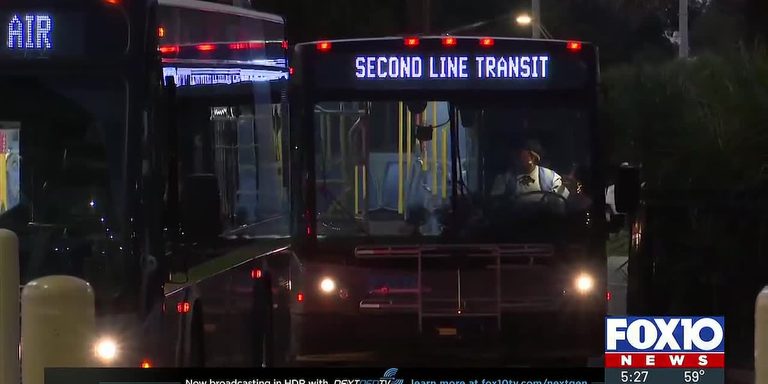
Mobile’s Second Line Transit, which replaced the former Wave system on September 28, is already drawing criticism from riders who say late buses and missed connections are affecting work, medical and dialysis appointments, a concern that city officials say must be addressed promptly.
Residents voiced specific problems at a council meeting on Tuesday. Denise Martin, a Mobile resident, told council members that when she called on Monday to request a ride from her home on Dauphin Island Parkway to a doctor’s office, an employee said no vehicles were available, adding that the smaller microtransit vehicles are difficult for older people and those with disabilities (Fox10). Similarly, Morkisha Williams recounted that a missed bus left her without oxygen for about 30 minutes, forcing her to walk home after the driver said there were not enough drivers for the route (myNBC15). Annette Washington noted that driver shortages appear especially acute during the evening shift (myNBC15).
City Council members are responding. Councilman Cory Penn said he has heard complaints about long walks to stops, delayed trolley service and patients arriving late for dialysis, and emphasized the need to “pivot” to ensure residents receive reliable service (Fox10; myNBC15). Mayor Spiro Cheriogotis acknowledged the concerns, noting that higher‑than‑expected demand for the system’s expanded microtransit component may be straining the available fleet and driver pool. He said the primary hiccup is a shortage of vehicles or drivers to meet current demand and promised immediate action (Fox10; myNBC15).
Additional grievances focus on the city’s newly purchased trolley‑style bus. Riders reported the trolley runs mostly empty on Saturdays, arrives late, and is uncomfortably hot inside. The mayor confirmed the trolley is a used vehicle and that most fixed‑route buses often run with only the driver aboard, a situation the administration is working to resolve (Fox10).
The transit overhaul relies heavily on microtransit—smaller vehicles that can be booked point‑to‑point—while consolidating several fixed routes. Officials said the city expected riders to shift to microtransit, but the surge in demand has outpaced the current supply of drivers and vehicles, leading to the service gaps described by residents and providers (Fox10; myNBC15).
What’s next: The city council will hold a public hearing on Tuesday, Dec. 1, at 1 p.m. to hear directly from Via Transportation, the operator of Second Line Transit, and to discuss possible adjustments to service levels and vehicle allocation.
Sources: fox10tv.com, mynbc15.com