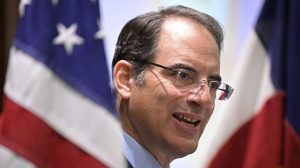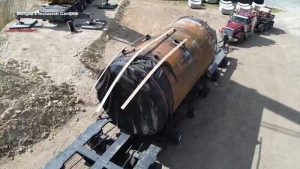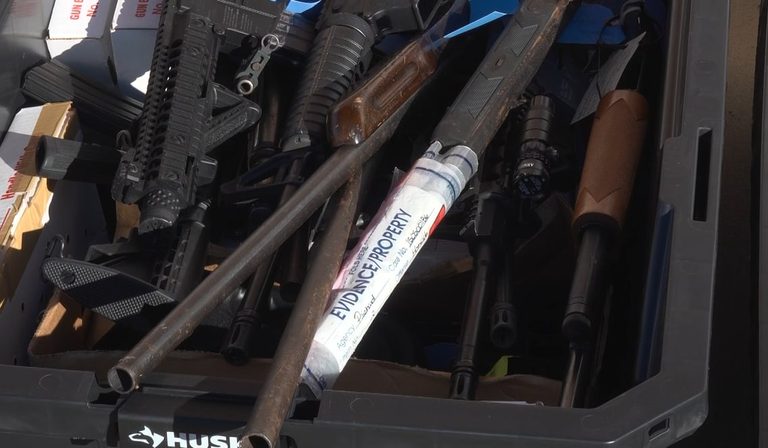
Mobile County Sheriff Paul Burch led a coordinated effort on Tuesday morning to fire over 1,500 seized firearms at the Metro Range. The operation, conducted with the assistance of the Bureau of Alcohol, Tobacco, Firearms and Explosives (ATF), U.S. Marshals, the DEA, Homeland Security Investigations, the FBI, the U.S. Attorney’s Office and the Mobile County District Attorney’s Office, is designed to extract forensic clues that could crack long‑standing homicide cases.
Why the test‑fire matters
“It’s about more than just counting guns,” Sheriff Burch explained. “We need to know what’s in our evidence room and whether any of these weapons can help solve a violent crime or give a victim’s family answers.” By firing each weapon and collecting the resulting shell casings, investigators can upload the ballistic signatures to the National Integrated Ballistic Information Network (NIBIN). The database matches recovered casings from crime scenes nationwide, increasing the chance that a cold‑case shooting will be linked to a seized firearm.
History of the seized weapons
The firearms span more than two decades. While many lack case numbers, the oldest documented gun with a case number dates back to 2001. Burch noted that, under normal procedures, weapons older than that would have either been returned to their lawful owners or destroyed long ago. “We have a large number of guns that have no case number attached, so we don’t know how long they’ve been stored in Pritchard’s evidence room,” he said.
Logistics and preparation
Preparing the arsenal for the range required months of careful handling. Each gun was individually inspected, serial numbers verified, and case information cross‑checked. The team then transported the weapons to the Metro Range, where they were securely stored and labeled before the test‑fire began. “It took several days to prepare to transport them out here safely and securely and get them set up,” Burch said.
Collaboration across agencies
The operation underscores the importance of inter‑agency cooperation. Sheriff Burch praised the teamwork, stating, “It’s just been a team effort with all of our federal partners and state partners. It just shows how important relationships are, you know, throughout every day working these kinds of cases.” By pooling resources and expertise, the agencies hope to maximize the investigative value of the ballistic data.
Potential impact on unsolved cases
While the immediate results will be entered into NIBIN, the long‑term benefit could be significant. If a match is found between a fired round and evidence from an unsolved shooting, investigators will have a concrete lead to pursue. This could bring closure to families who have waited years for answers and may also lead to new prosecutions.
Looking ahead
Sheriff Burch indicated that the test‑fire is part of an ongoing effort to modernize the county’s evidence handling. “We’ll be firing every one that we’ve seized through the search warrant,” he said, emphasizing the department’s commitment to thoroughness and transparency. The results of the ballistic analysis will be shared with the public as they become available, reinforcing the department’s dedication to accountability and community safety.
Original reporting: FOX10 WALA Mobile (news) — read the source article.