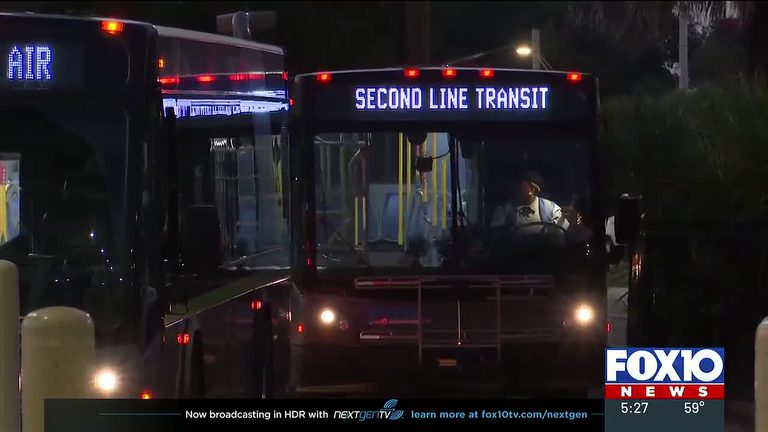
Mobile, Ala. – The city’s much‑anticipated Second Line Transit system, which replaced the aging Wave Transit network in late September, is already facing operational hiccups. Within six weeks, residents and council members have reported late buses, missed appointments, and difficulty securing microtransit rides, especially for seniors and people with disabilities.
Residents voice concerns
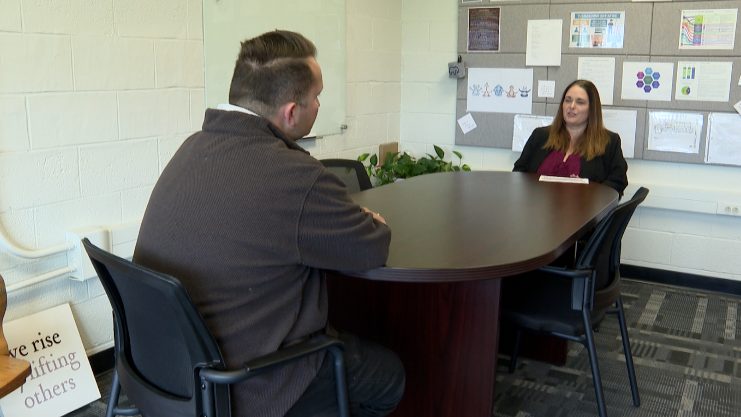
Denise Martin, a Mobile resident, told council members that when she called on Monday to request a ride from her home on Dauphin Island Parkway to a doctor’s office, the operator informed her that no vehicles were available. Martin added that the smaller microtransit vehicles can be hard for older riders and those with mobility challenges.
“Second Line Transit doesn’t work for people with disabilities,” Martin said during the council hearing.
Council and mayor respond
City Council scheduled a follow‑up meeting for Dec. 1 to hear directly from Via Transportation, the private firm that runs Mobile’s bus service. A Via spokesperson has not yet responded to a request for comment.
Councilman Cory Penn cited multiple complaints, including one from a kidney‑dialysis provider who said patients were arriving late for treatment because of unreliable bus service. Penn noted the issue hits close to home, recalling his mother’s reliance on public transit before she purchased a car. “If we have to pivot, we have to pivot,” Penn said. “We must ensure our residents have the service they need.”
Mayor Spiro Cheriogotis acknowledged the concerns, noting that some riders have difficulty reaching system employees by phone and have been forced to walk long distances when buses fail to arrive. “Those are real concerns, and I expect we’ll be addressing them immediately,” the mayor said.
Higher demand, limited resources
Mayor Cheriogotis identified higher‑than‑expected demand for the system’s expanded microtransit component as a primary factor behind the service gaps. “I think the primary hiccup is we are lacking either vehicles or drivers to meet the current demand,” he explained. “Increased demand is good. In order to maintain increased demand, we have to deliver on what we promise.”
Questions about the new trolley‑style bus
Council members also raised complaints about the city’s recently purchased trolley‑style bus, which was intended to replace larger traditional buses with smaller, more efficient vehicles. Residents have reported that the trolley runs mostly empty on Saturdays, arrives late to stops, and becomes uncomfortably hot inside.
Mayor Cheriogotis said this was the first he had heard of those specific complaints and confirmed the trolley bus was a used vehicle. “I will say most of our fixed‑line vehicles are empty when they’re running,” he said. “That’s been the problem with Mobile’s system. The vast majority of the time that our fixed‑route vehicles are running, there’s not really anybody on them, other than the driver. That’s what we’re trying to solve here.”
Next steps
The Dec. 1 council meeting will give residents an opportunity to share additional feedback and will allow city officials to hear directly from Via Transportation about staffing, vehicle availability, and plans to improve service reliability. Both the mayor’s office and council members emphasized a commitment to addressing the issues promptly, underscoring the importance of reliable public transit for seniors, people with disabilities, and all Mobile residents who depend on the system for work, medical appointments, and daily errands.
As the Second Line Transit system continues to ramp up, city leaders are urging patience while they work to align vehicle supply, driver staffing, and demand. The outcome of the upcoming council discussion will shape how Mobile refines its public‑transport strategy moving forward.
Original reporting: FOX10 WALA Mobile (news) — read the source article.