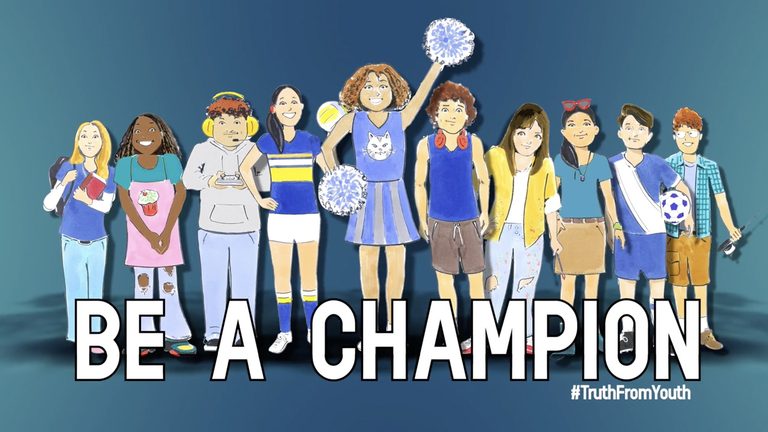
In a move that blends America’s favorite pastime with a national health initiative, Major League Baseball announced that select youth‑created anti‑drug public service announcements (PSAs) will be displayed at MLB ballparks throughout the postseason. The effort is part of a new partnership between the White House, the Office of National Drug Control Policy (ONDCP), and the family‑led nonprofit Song for Charlie.
White House roundtable brings youth voices to the field
On August 27, ONDCP convened a group of Youth Prevention Champions representing Drug‑Free Communities coalitions for a roundtable with MLB officials and Song for Charlie representatives. The young participants presented videos that focus on physical and mental well‑being, healthy coping strategies, connection, resilience, and the choice to live drug‑free.
“In this great nation, our most precious resource is our children,” ONDCP Director Sara Carter said in the White House release. Carter added that the partnership will help carry the youths’ messages into homes, schools, communities, and ballparks across the country.
Broad reach through baseball’s national platform
The PSAs will be shown during postseason games, giving the videos exposure to millions of fans watching live and on television. MLB and Song for Charlie also pledged to cross‑promote the announcements on their social‑media channels, further extending the reach of the drug‑prevention message.
The Drug‑Free Communities Support Program, which funds more than 500 local coalitions, serves an estimated 62 million people in 2025. The new initiative advances the prevention arm of the 2026 National Drug Control Strategy, which seeks to make drug‑free living the social norm through coordinated efforts in schools, workplaces, communities, and the media.
Song for Charlie’s role in combating counterfeit pills
Song for Charlie is a national nonprofit that educates people ages 13 to 24 about counterfeit prescription pills laced with fentanyl and other dangerous substances. The organization already collaborates with MLB, Minor League Baseball, and the Professional Baseball Athletic Trainers Society on fake‑pill and fentanyl education.
Earlier this year, ONDCP released a video featuring parents who lost children to drugs, including fentanyl, underscoring the urgency of the current effort.
What’s next?
The White House release did not specify which clubs or ballparks will display the Youth Prevention Champions’ videos or the exact timeline for online promotion. However, the partnership signals a strong commitment from both the federal government and professional sports to protect America’s youth from substance abuse.
By leveraging baseball’s nationwide appeal, the initiative aims to reinforce healthy choices for teens and remind families that the fight against drugs begins at home, in schools, and now on the baseball diamond.
Original reporting: WBAP News/Talk (Dallas-Fort Worth) — read the source article.