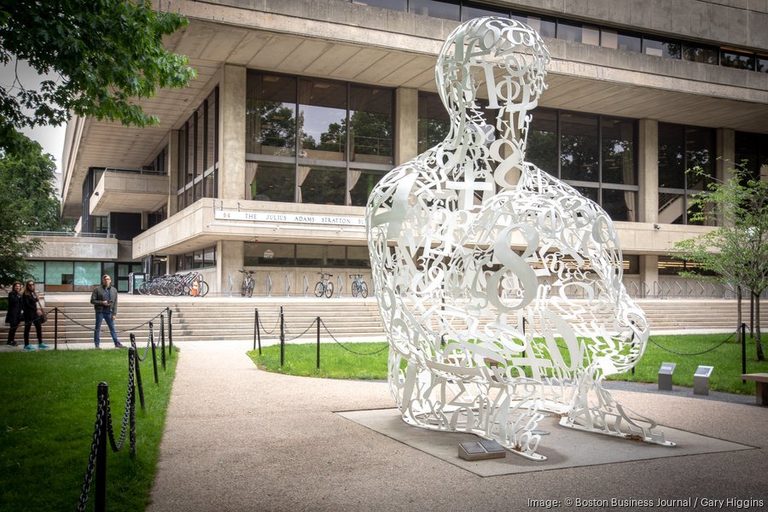
The Massachusetts Institute of Technology (MIT) has been named the nation’s #1 college in the latest U.S. News & World Report overall rankings, a first in the school’s 164‑year history. The announcement, released on September 22, shows MIT overtaking Princeton University, which held the top position for the past 15 years.
How the rankings shifted
U.S. News & World Report evaluates colleges on a range of factors, including graduation rates, faculty resources, student selectivity, financial resources, and alumni giving. MIT’s strong performance across these metrics propelled it ahead of Princeton, which finished second. In the previous year’s ranking, MIT was listed at #2, just behind Princeton.
What the ranking means for students and families
For prospective students and their families, the ranking underscores MIT’s reputation for academic excellence, cutting‑edge research, and robust career outcomes. The school’s emphasis on science, technology, engineering, and mathematics (STEM) fields, combined with a vibrant entrepreneurial ecosystem, continues to attract top talent from across the country and around the world.
Parents looking for a college that balances rigorous academics with strong post‑graduation employment prospects may view MIT’s new position as a compelling endorsement of the institution’s overall value.
Local impact in Cambridge
While the ranking is a national story, the achievement brings pride to the Cambridge community. Local businesses, from coffee shops to housing providers, often benefit from the influx of students, faculty, and visitors drawn to the campus. The city’s economy, already bolstered by the university’s research and development activities, may see a modest boost as the school’s profile rises.
Broader higher‑education landscape
MIT’s ascent reflects a broader trend of STEM‑focused institutions gaining prominence in national rankings. As the U.S. economy continues to prioritize technology and innovation, colleges that excel in these areas are increasingly recognized for their contributions to national competitiveness.
Other universities will likely examine MIT’s strategies—such as substantial investment in faculty, state‑of‑the‑art facilities, and robust alumni networks—to improve their own standings in future rankings.
Looking ahead
MIT’s leadership has expressed gratitude to students, faculty, staff, and alumni for their role in achieving this milestone. The administration plans to continue its focus on high‑impact research, interdisciplinary collaboration, and expanding opportunities for students from all backgrounds.
As the next cycle of rankings approaches, the competition among top universities will intensify, but MIT’s historic rise to the summit sets a new benchmark for academic excellence in the United States.
Original reporting: NBC10 Boston — read the source article.